Martha’s Vineyard Travel Tips: History, Culture, Events, and How to Save On Your Trip
Martha’s Vineyard has long been more than a picturesque New England summer destination. For generations of Black travelers, the island—especially Oak Bluffs—has represented something deeper: a place to gather, relax, build community, and enjoy the freedom of being by the sea. Today, visitors can experience that legacy alongside beautiful beaches, historic towns, excellent food, art, and a lively calendar of cultural events.
I just came back from my second trip to Martha’s Vineyard and it was just as beautiful and restorative now as it was 10 years ago. If you’re planning your first trip to Martha’s Vineyard, here’s how to make the most of it while connecting with the island’s rich Black history—and keeping your budget under control.

A Brief History of Martha’s Vineyard
Martha’s Vineyard’s history begins long before it became a summer retreat. The Wampanoag people have lived on the island for thousands of years, and archaeological evidence points to human habitation dating back thousands of years.
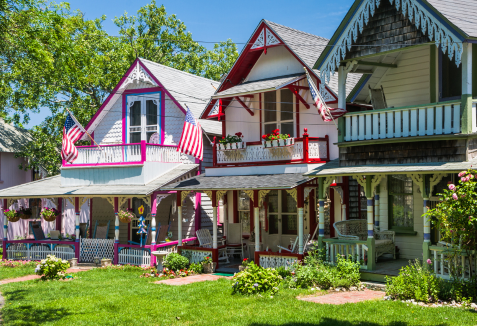
European settlement brought farming, fishing, maritime commerce, and eventually whaling. In the 19th century, religious camp meetings helped transform Oak Bluffs into a summer destination. What began as Methodist gatherings evolved into a community of colorful cottages and eventually a major resort town.
Black history is woven into that development. African Americans found opportunities on the island as mariners, business owners, homeowners, and community leaders. Over generations, Black visitors returned not only for the beaches but also because the Vineyard offered opportunities for community, property ownership, and social connection that were harder to find elsewhere.
That legacy remains visible today. The African American Heritage Trail is an excellent way to explore the people and places that helped shape the island.
Today, it’s one of the most popular New England summer escapes and is the perfect place for a charming, laid-back luxe getaway.
Where to Stay on Martha’s Vineyard
Where you stay can shape your entire Martha’s Vineyard experience. The island has six distinct towns, each with its own personality, so choose your home base based on the type of vacation you want.
Oak Bluffs is an especially appealing choice for Black travelers. It has a vibrant social scene, easy access to Inkwell Beach, restaurants, shops, nightlife, and the historic gingerbread cottages. It is also closely connected to the island's Black history and cultural traditions. If you're visiting for events such as Juneteenth or the Martha's Vineyard African American Film Festival, staying in or near Oak Bluffs can put you close to the action.
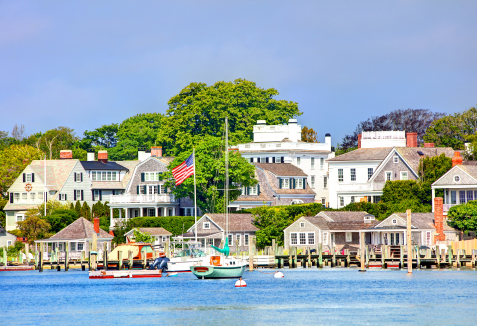
Edgartown is a good choice if you're looking for a more upscale, polished atmosphere. Its historic streets, waterfront restaurants, boutiques, and beautiful architecture make it popular with couples and travelers celebrating special occasions. It tends to be pricier, particularly during peak summer weekends.
Vineyard Haven offers a convenient combination of restaurants, shops, beaches, and transportation connections. It's a practical option for travelers who want a central base and may be visiting without a car.
West Tisbury and Chilmark are better suited to travelers seeking a quieter, more rural experience. You'll find farms, scenic roads, nature, and a slower pace, but having access to a car can be more useful in these areas.
For a first visit, Oak Bluffs or Vineyard Haven can be particularly convenient. They offer good access to public transportation and make it easier to explore the island without spending a fortune on taxis.
How to Get to Martha’s Vineyard
For most visitors, getting to Martha’s Vineyard means traveling through Cape Cod and taking a ferry or flying to the island. The Steamship Authority operates ferry service between Woods Hole and Vineyard Haven, and seasonal service to Oak Bluffs. Hyline Cruises offers ferries between Hyannis and Oak Bluffs.
Passenger ferries are generally the most affordable option, while bringing a car requires an advance reservation and costs considerably more.
If you're flying, Martha’s Vineyard Airport receives commercial flights from several mainland cities, with additional seasonal service during the summer. If you're trying to save money, compare ferry and flight prices before booking your accommodation and consider leaving your car on the mainland.
The Best Time to Visit Martha’s Vineyard
The Vineyard is firmly a summer destination! Don’t even think about coming in off-season, as most restaurants, shops, and services are closed. The ideal timing to visit is June- September, and the exact month depends on the kind of trip you want.
June is an excellent choice for travelers interested in Black culture and community events. Juneteenth programming on the island includes celebrations, talks, performances, heritage events, and gatherings throughout Oak Bluffs and beyond.
July and August deliver the classic Martha’s Vineyard experience: warm weather, beach days, outdoor concerts, nightlife, and the island’s busiest social calendar. This is also when Oak Bluffs is at its most energetic and the Black population on the island swells to the highest level. However, summer is peak season, so accommodations, transportation, and dining can be significantly more expensive.
September can be a sweet spot. The weather is often pleasant, crowds begin to thin, and you can still enjoy the beaches and restaurants. You’ll miss a lot of the action and the busy social calendar, but part of the point of visiting this island is to make time for rest and relaxation anyway.
How to Save Money on Your Trip to Martha’s Vineyard
Martha’s Vineyard can be expensive, but you don't need a luxury budget to enjoy it.
First, think carefully about bringing a car. Rentals are expensive and if you plan to take the ferry, the cost of a reservation with a car is significantly higher.
If you're staying near Oak Bluffs or another walkable area, consider leaving your car on the mainland and using buses, bikes, taxis, or walking once you arrive.
Second, travel midweek. Summer weekends are among the most expensive and crowded times to visit. A Sunday-through-Thursday trip can make a noticeable difference in lodging and transportation costs.
Third, share a rental home. If you're traveling with friends or family, splitting a vacation home can be more economical than booking several hotel rooms. A kitchen also lets you prepare breakfast, snacks, or some dinners instead of eating every meal out.
Fourth, embrace free attractions. Beaches, porch-sitting, neighborhood walks, the African American Heritage Trail, scenic overlooks, parks, and exploring the gingerbread cottages can fill an itinerary without constant admission fees. The island's official tourism guide also recommends activities ranging from beaches and biking to heritage sites and farmers markets.
Martha’s Vineyard is beautiful, but its greatest appeal for Black travelers is the combination of scenery and history. Oak Bluffs offers a chance to walk through neighborhoods shaped by generations of Black families, relax at the Inkwell, explore the African American Heritage Trail, and participate in cultural events that continue that legacy.
Most importantly, don't treat Martha’s Vineyard as just another beach vacation. Take time to learn whose stories shaped the island. Once you do, the colorful cottages, waterfront views, historic churches, and summer gatherings take on an entirely different meaning.