
Martha’s Vineyard Travel Tips: History, Culture, Events, and How to Save On Your Trip
Martha’s Vineyard has long been more than a picturesque New England summer destination. For generations of Black travelers, the island—especially Oak Bluffs—has represented something deeper: a place to gather, relax, build community, and enjoy the freedom of being by the sea. Today, visitors can experience that legacy alongside beautiful beaches, historic towns, excellent food, art, and a lively calendar of cultural events.
I just came back from my second trip to Martha’s Vineyard and it was just as beautiful and restorative now as it was 10 years ago. If you’re planning your first trip to Martha’s Vineyard, here’s how to make the most of it while connecting with the island’s rich Black history—and keeping your budget under control.


A Brief History of Martha’s Vineyard
Martha’s Vineyard’s history begins long before it became a summer retreat. The Wampanoag people have lived on the island for thousands of years, and archaeological evidence points to human habitation dating back thousands of years.
European settlement brought farming, fishing, maritime commerce, and eventually whaling. In the 19th century, religious camp meetings helped transform Oak Bluffs into a summer destination. What began as Methodist gatherings evolved into a community of colorful cottages and eventually a major resort town.
Black history is woven into that development. African Americans found opportunities on the island as mariners, business owners, homeowners, and community leaders. Over generations, Black visitors returned not only for the beaches but also because the Vineyard offered opportunities for community, property ownership, and social connection that were harder to find elsewhere.
That legacy remains visible today. The African American Heritage Trail is an excellent way to explore the people and places that helped shape the island.
Today, it’s one of the most popular New England summer escapes and is the perfect place for a charming, laid-back luxe getaway.
Where to Stay on Martha’s Vineyard
Where you stay can shape your entire Martha’s Vineyard experience. The island has six distinct towns, each with its own personality, so choose your home base based on the type of vacation you want.
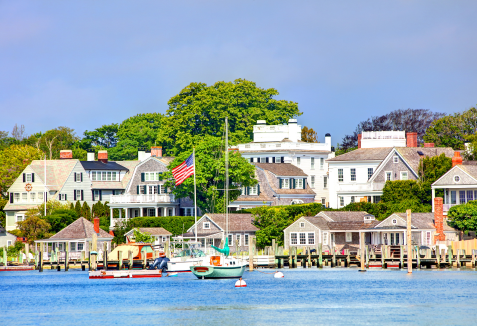
Oak Bluffs is an especially appealing choice for Black travelers. It has a vibrant social scene, easy access to Inkwell Beach, restaurants, shops, nightlife, and the historic gingerbread cottages. It is also closely connected to the island's Black history and cultural traditions. If you're visiting for events such as Juneteenth or the Martha's Vineyard African American Film Festival, staying in or near Oak Bluffs can put you close to the action.
Edgartown is a good choice if you're looking for a more upscale, polished atmosphere. Its historic streets, waterfront restaurants, boutiques, and beautiful architecture make it popular with couples and travelers celebrating special occasions. It tends to be pricier, particularly during peak summer weekends.
Vineyard Haven offers a convenient combination of restaurants, shops, beaches, and transportation connections. It's a practical option for travelers who want a central base and may be visiting without a car.
West Tisbury and Chilmark are better suited to travelers seeking a quieter, more rural experience. You'll find farms, scenic roads, nature, and a slower pace, but having access to a car can be more useful in these areas.
For a first visit, Oak Bluffs or Vineyard Haven can be particularly convenient. They offer good access to public transportation and make it easier to explore the island without spending a fortune on taxis.
How to Get to Martha’s Vineyard
For most visitors, getting to Martha’s Vineyard means traveling through Cape Cod and taking a ferry or flying to the island. The Steamship Authority operates ferry service between Woods Hole and Vineyard Haven, and seasonal service to Oak Bluffs. Hyline Cruises offers ferries between Hyannis and Oak Bluffs.
Passenger ferries are generally the most affordable option, while bringing a car requires an advance reservation and costs considerably more.
If you're flying, Martha’s Vineyard Airport receives commercial flights from several mainland cities, with additional seasonal service during the summer. If you're trying to save money, compare ferry and flight prices before booking your accommodation and consider leaving your car on the mainland.
The Best Time to Visit Martha’s Vineyard
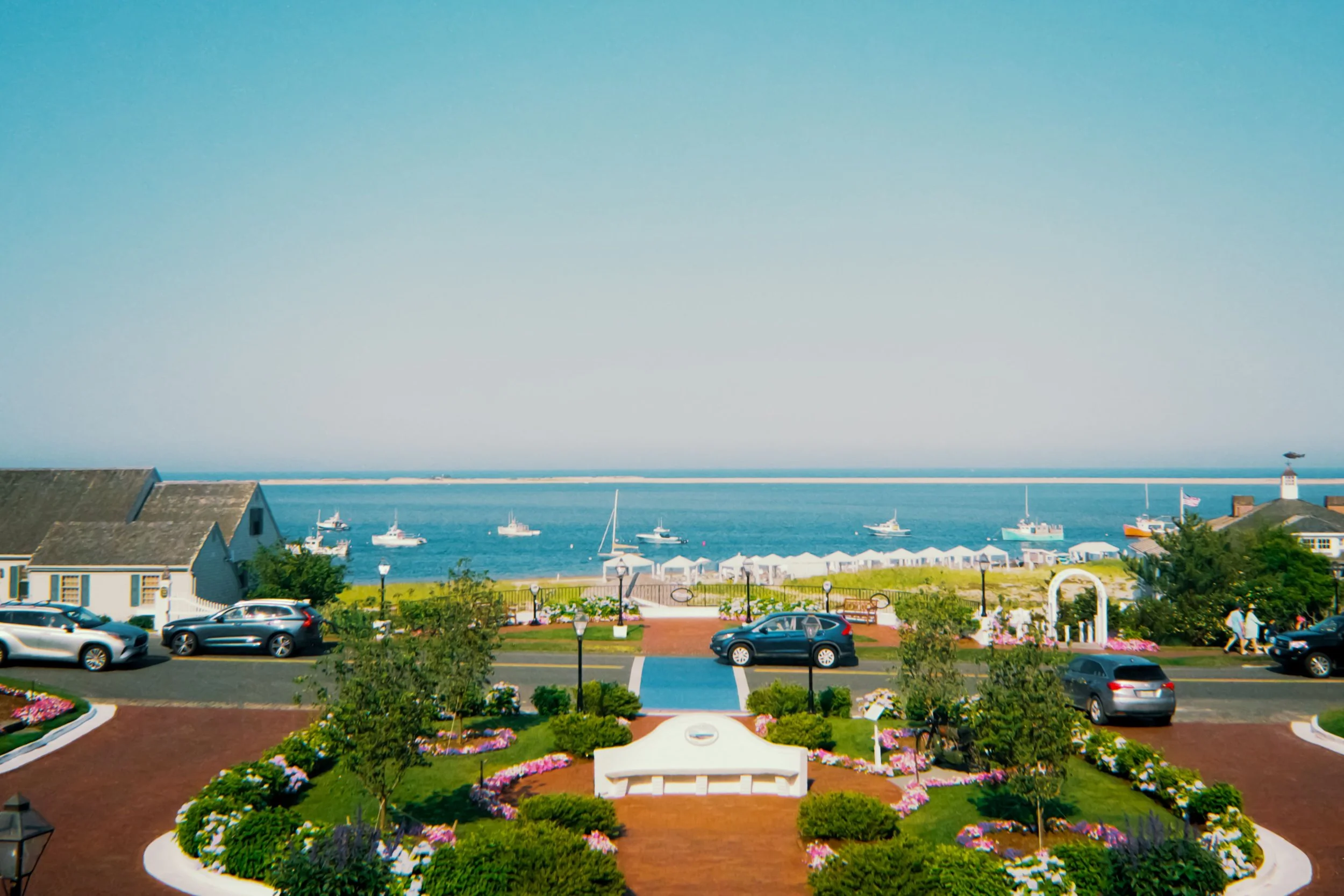
The Vineyard is firmly a summer destination! Don’t even think about coming in off-season, as most restaurants, shops, and services are closed. The ideal timing to visit is June- September, and the exact month depends on the kind of trip you want.
June is an excellent choice for travelers interested in Black culture and community events. Juneteenth programming on the island includes celebrations, talks, performances, heritage events, and gatherings throughout Oak Bluffs and beyond.
July and August deliver the classic Martha’s Vineyard experience: warm weather, beach days, outdoor concerts, nightlife, and the island’s busiest social calendar. This is also when Oak Bluffs is at its most energetic and the Black population on the island swells to the highest level. However, summer is peak season, so accommodations, transportation, and dining can be significantly more expensive.
September can be a sweet spot. The weather is often pleasant, crowds begin to thin, and you can still enjoy the beaches and restaurants. You’ll miss a lot of the action and the busy social calendar, but part of the point of visiting this island is to make time for rest and relaxation anyway.
How to Save Money on Your Trip to Martha’s Vineyard
Martha’s Vineyard can be expensive, but you don't need a luxury budget to enjoy it.
First, think carefully about bringing a car. Rentals are expensive and if you plan to take the ferry, the cost of a reservation with a car is significantly higher.
If you're staying near Oak Bluffs or another walkable area, consider leaving your car on the mainland and using buses, bikes, taxis, or walking once you arrive.
Second, travel midweek. Summer weekends are among the most expensive and crowded times to visit. A Sunday-through-Thursday trip can make a noticeable difference in lodging and transportation costs.
Third, share a rental home. If you're traveling with friends or family, splitting a vacation home can be more economical than booking several hotel rooms. A kitchen also lets you prepare breakfast, snacks, or some dinners instead of eating every meal out.
Fourth, embrace free attractions. Beaches, porch-sitting, neighborhood walks, the African American Heritage Trail, scenic overlooks, parks, and exploring the gingerbread cottages can fill an itinerary without constant admission fees. The island's official tourism guide also recommends activities ranging from beaches and biking to heritage sites and farmers markets.
Martha’s Vineyard is beautiful, but its greatest appeal for Black travelers is the combination of scenery and history. Oak Bluffs offers a chance to walk through neighborhoods shaped by generations of Black families, relax at the Inkwell, explore the African American Heritage Trail, and participate in cultural events that continue that legacy.
Most importantly, don't treat Martha’s Vineyard as just another beach vacation. Take time to learn whose stories shaped the island. Once you do, the colorful cottages, waterfront views, historic churches, and summer gatherings take on an entirely different meaning.


The First-Timer's Guide to Beijing: Do's, Don'ts, and Must-See Sights
It has been ages, but this summer has been insane! From a sudden move that I’m more than knee-deep in prep for, to a short but well worth it trip home for a family situation and time to celebrate my niece’s 6th birthday, I have been a BUSY girl.
But I’m entering a much needed lull for the next few weeks, so finally finding time to catch up on this blog and my YouTube.
One of my August highlights was a long weekend trip to Beijing. Hong Kong is such a travel hub, and in my time here I’ve been country hopping all over, with amazing trips to Indonesia, Japan, South Korea, Vietnam, Thailand and Cambodia. But I hadn’t yet taken the opportunity to cross the border into Mainland China. Part of the reason was sheer intimidation and the hundreds of questions in my head that would need to be answered. How would I navigate without any of the apps I’m used to? What was I going to do if my credit cards didn’t work and I couldn’t pay for things? Is the language barrier really as bad as they say?
But I decided to take the chance with a good friend and head off for an adventure before I left Hong Kong for good and the cost got more prohibitive. And I incredibly glad I made the journey!
So here are my Beijing Do’s and Don’ts for a first time traveler, and everything I learned on my trip there! Read the entire post and check out my list of essential Beijing apps at the end for easy reference!
The First-Timer's Guide to Beijing: Do's, Don'ts, and Must-See Sights
The Must-Visit Sights: A Tale of Two Cities
Beijing's top attractions are a masterclass in history and scale. You simply can't visit without seeing these:
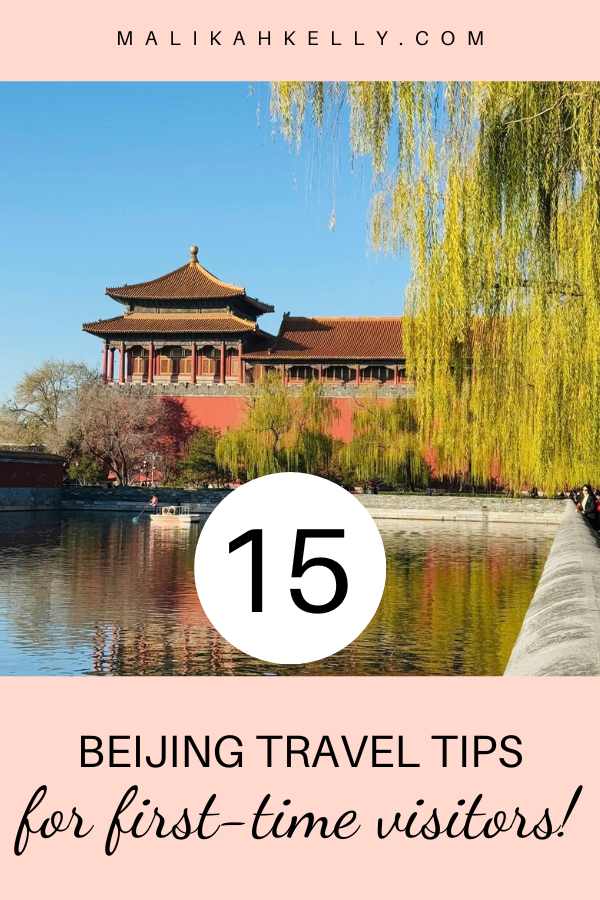
1. The Forbidden City: The heart of imperial China for nearly 500 years, this is the largest ancient palace complex on Earth. Stepping through the Gate of Heavenly Peace feels like walking back in time. My tip: Book your ticket online in advance to save time and ensure you get in. Go right when it opens to beat the crowds and have a moment to yourself in the massive courtyards.
2. The Great Wall of China: This is a non-negotiable. But here’s the secret: skip the famous (and famously crowded) Badaling section. Instead, head to Mutianyu or Jinshanling. Mutianyu is beautifully restored with a convenient cable car and even a toboggan ride down. Jinshanling, on the other hand, is a hiker’s paradise. With fewer crowds and a more rugged, authentic feel, it offers the most dramatic photo opportunities. Comment below if you want my private Jinshanling wall tour guide! You won’t find them on the popular tourist sites like Viator or Get Your Guide.
3. The Temple of Heaven: Tucked away in a beautiful park, this is where emperors prayed for a good harvest. It’s a tranquil oasis from the urban hustle. The architecture is stunning, and in the early mornings, you can watch locals practicing tai chi, dancing, and playing traditional games. It’s a glimpse into daily Beijing life.
4. The Summer Palace: This vast imperial garden is a masterpiece of landscape design, featuring a giant lake and Longevity Hill. Rent a small boat on the lake to truly appreciate the scenic beauty. It’s the perfect place to spend a slow afternoon and marvel at the intricate bridges and pavilions.
5. The Hutongs: Beyond the grand monuments, the soul of Beijing lies in its traditional narrow alleyways, or hutongs. Get lost in these winding lanes, where you'll find tiny local eateries, hidden courtyards, and a sense of community that feels a world away from the skyscrapers. This is also where you’ll find the best local food.
The Dos and Don’ts: Navigate Like a Pro
Now for the practical stuff that will make your trip infinitely smoother.
DO: Get Your Apps Ready Before You Land. The "Great Firewall" of China means most of your usual apps like Google Maps, Instagram, and Facebook won't work without a VPN. Download and set up a reliable VPN before you arrive. This is a non-negotiable step.
DON'T: Rely on Cash or Credit Cards. Beijing is largely a cashless society. Seriously. From street vendors to high-end restaurants, everyone uses mobile payment apps. Trying to pay with cash can be a challenge and a major source of frustration.
DO: Embrace Mobile Payments. Once you have your VPN, link a foreign credit card to WeChat Pay or Alipay. These two apps will be your lifesaver for everything from buying a bottle of water to paying for a taxi. It may feel strange at first, but you'll feel like a local in no time.
DON'T: Forget Your Passport. This is crucial. You'll need it for security checks at metro stations, entering attractions, and checking into your hotel. It’s the single most important document to have with you.
DO: Learn a Few Basic Chinese Phrases. While many younger people and those in the tourism industry speak English, knowing a few words will go a long way. Hello (nǐ hǎo), thank you (xièxiè), and where is the bathroom (cèsuǒ zài nǎlǐ) can make a big difference.
DON'T: Expect a Taxi to be Like an Uber. While you can hail a taxi on the street, using the DiDi app is much easier and more reliable. It’s China's version of Uber and has an English interface. Just be sure to have your destination address written out in Chinese characters. And its amazingly cheap, so don’t worry about the cost of having to use it a lot!
DO: Pack Your Own Toilet Paper and Hand Sanitizer. Many public restrooms, especially outside of major tourist sites, do not provide toilet paper. You’ll thank me for this one.
DON'T: Be Afraid to Get Lost (a little). Beijing is a grid, which makes it easy to find your way. But the best discoveries are often in the small, unassuming places you find while exploring on foot.
DO: Mind Your Etiquette. Don’t be surprised by things like slurping your soup or chewing with your mouth open; in China, this can be a sign of enjoying your meal. Also, remember that tipping is not customary.
Essential Apps to Download Before You Go to China

Before you go, make sure you have these apps downloaded and set up.
WeChat (微信): Your all-in-one app for messaging, payments, and mini-programs for everything from food delivery to bike rentals.
Alipay (支付宝): China's other major mobile payment platform. It also has a built-in DiDi service and translator.
DiDi (滴滴出行): The essential ride-hailing app, with an English-language version.
Baidu Maps (百度地图): Since Google Maps is unreliable, this is your best bet for navigation. It's mostly in Chinese, but the maps are accurate.
Pleco: A fantastic offline Chinese dictionary and character reader. You can use your phone’s camera to translate characters on signs and menus.
I hope this guide helps you feel more prepared and excited for your journey to Beijing. Have an amazing time exploring this incredible city!

Beijing Travel Tips for First-Time Visitors
Beijing's top attractions to add to your list!
The Forbidden City
The Great Wall of China
The Temple of Heaven
The Summer Palace
The Hutongs
Do’s and Don’ts for Travel in Beijing, China
DO: Get Your Apps Ready Before You Land
DON'T: Rely on Cash or Credit Cards
DO: Embrace Mobile Payments
DON'T: Forget Your Passport
DO: Learn a Few Basic Chinese Phrases
DON'T: Expect a Taxi to be Like an Uber
DO: Pack Your Own Toilet Paper and Hand Sanitizer
DON'T: Be Afraid to Get Lost (a little)
DO: Mind Your Etiquette
Essential Beijing Apps for Tourists
WeChat
Alipay
DiDi
Baidu Maps
Pleco

How to Travel More When You Have a Full-Time Job: Your Ultimate Guide
“I wish I could travel more, but I have a full-time job." Sound familiar? It’s the most common refrain I hear from aspiring adventurers. Most people assume I’m a full-time travel creator or remote worker, but I’m actually a regular office employee with about 20 days of PTO a year! That is more than the average American, but definitely not enough to be on the road all the time.
The dream of exploring far-off lands often feels incompatible with the reality of a 9-to-5, limited vacation days, and adult responsibilities. But what if I told you it doesn’t have to be?
As a travel blogger who also spent years navigating the demands of a demanding corporate career, I’m here to tell you that traveling with a full-time job is not just a pipe dream – it’s entirely achievable. It requires strategy, intentional planning, and a shift in perspective, but it is 100% possible to see the world without quitting your job. Ready to transform your travel aspirations into actual passport stamps? Let’s dive in.
How to Travel More When You Have a Full-Time Job: Your Ultimate Guide

Master the Art of Weekend Getaways
This is your bread and butter for frequent travel. Don't underestimate the power of a long weekend or even a concentrated 2-day escape.
Look for Direct Flights: Minimize travel time by choosing destinations with direct flights from your nearest airport. A 2-hour flight is far more appealing for a weekend than a 6-hour journey with layovers.
Explore Local Gems: You don't always need to cross oceans. Discover incredible destinations within a few hours' drive or a short train ride from your home base. These can be surprisingly rewarding and much less stressful.
Maximize Holidays: Public holidays are goldmines. Instead of using a full vacation day for a Monday off, combine it with the preceding weekend to create a 3-day adventure without touching your core vacation allowance. Strategically adding one day to a 3-day weekend gives you 4 full days of travel.
Pack Light, Go Fast: A carry-on is your best friend. Skip checked bags to save time at the airport and be more agile once you arrive.
This works better with domestic travel, but that is ok! I have a very long bucket list of USA travel that I am slowly working my way through!
Strategize Your Vacation Days Like a Pro
Your limited PTO (Paid Time Off) is your most valuable travel currency. Treat it as such.
Calendar Mapping: As soon as the annual holiday calendar drops, I start plotting and planning! I look for all the travel opportunities around national holidays, long weekends, and potential "bridge" days (e.g., taking off Monday and Tuesday after a Thursday holiday to get a full week off). Here’s how you can break that down for Labor Day weekend
Leave for your trip on Thursday August 28th
Take off Friday the 29th
Return on a flight that lands late on the 1st or early am on the 2nd and go straight to the office.
That breaks down to 4 days of vacation for only one day of PTO
Request Early: Early birds really do get the worm! You need to submit those PTO requests as early as possible to make sure your picks get approved This increases your chances of approval, especially if you work in a team where vacation schedules are coordinated.
Combine Short Trips: Instead of taking one long two-week vacation, consider breaking it into several shorter trips (e.g., three 4-day trips). This gives you more travel experiences spread throughout the year.
The "Travel Day" Myth: Don't count travel days as wasted time. Take a red-eye flight on a Friday night, arrive Saturday morning, and you've essentially gained a full day of exploration. Similarly, fly back late Sunday or on a red-eye Sunday night.
Combine Countries Based on Region to Take Advantage of Short-Haul Flights
When in Rome, you don’t have to stop at Rome! Once you’ve made the long haul flight to a certain area, you can easily break up your trip by taking advantage of low-cost flights. I usually prefer flights to trains since they tend to be faster and reduce travel time when you are in a crunch, but there are some great train routes in Europe you can take advantage of.. Here are some combos I’ve done in a 1 week trip:
Istanbul & Cairo
Denmark, Sweden and Norway
Dubai & The Maldives
Optimize Your Travel Budget
More travel doesn't always mean more money. Smart financial habits can fund your adventures.
Automate Savings: Set up automatic transfers to a dedicated "Travel Fund" every payday. Even small amounts add up quickly.
Travel Rewards Credit Cards: This is a game-changer for budget travel. Utilize credit cards that offer points or miles on everyday spending. These points can be redeemed for free flights, hotels, or travel credits, significantly reducing your travel costs. Look for cards with generous sign-up bonuses.
Be Flexible on Destinations: Sometimes the best deals are to places you hadn't considered. Use tools like Google Flights' "Explore" feature to see where you can fly for cheap on your desired dates.
Prioritize Experiences Over Luxuries: Do you need the fanciest hotel, or would a charming boutique guesthouse allow you to extend your trip or take another one sooner? Make conscious choices about where you spend
Cultivate a Travel Mindset in Your Daily Life
Travel isn't just about the grand trips; it's a way of looking at the world.
Be a Local Tourist: Explore your own city or region! Discover hidden gems, try new restaurants, visit local museums. This scratches the travel itch and keeps the adventurous spirit alive.
Read Travel Blogs & Books: Immerse yourself in travel stories and guides. This fuels your wanderlust, helps you plan future trips, and keeps you motivated.
Connect with Fellow Travelers: Join online communities or local meetups. Sharing experiences and getting tips from others who travel with full-time jobs can be incredibly inspiring and helpful.
Traveling with a full-time job isn't about magic; it's about making conscious choices and employing smart strategies. By mastering weekend getaways, optimizing your PTO, exploring remote work, budgeting wisely, and fostering a continuous travel mindset, you can transform your annual leave from a brief escape into a series of enriching global adventures.
So, put away the excuses and pull out your calendar. Your next adventure is waiting, even with a demanding career. What's the first small step you'll take towards more travel this year? Share your biggest takeaway or your own "full-time job travel" hack in the comments below!

Tips to Maximize Your PTO and Travel More
Master the weekend getaway
Look for Direct Flights
Explore Local Gems
Maximize Holidays
Strategize your vacation days
Pack Light, Go Fast
Calendar map around company holidays
Request your PTO Early
Combine Short Trips
Don't count travel days as wasted time
Combine Countries
Optimize your travel budget
Automate Savings
Travel Rewards Credit Cards
Be Flexible on Destinations
Prioritize Experiences Over Luxuries
Cultivate a travelers mindset in your daily life

Escape the Ordinary: Why More Black Americans Are Moving Abroad (and the Top 8 Destinations They're Choosing)
There is a huge trend of of Black Americans choosing to leave the US and build new lives overseas? Google searches, social media groups, and even reality TV shows like Coming from America have shown the rise in popularity on leaving the US and moving abroad, and what its like living in a new country as a Black American. If you have you ever found yourself wondering if a different chapter and a new landscape, might offer a greater sense of peace, opportunity, or belonging, you're not alone.
The idea of packing up and moving to a foreign country might seem daunting, but for an increasing number of Black Americans, it's becoming a compelling reality. The reasons for this growing interest in relocating are diverse and deeply personal, ranging from seeking more affordable living and better career prospects to desiring a greater sense of community and freedom from the racial challenges that can permeate life in the United States. This blog post will delve into top countries that have emerged as particularly welcoming and appealing destinations for Black Americans seeking a fresh start.
For many Black Americans, the decision to consider moving abroad isn't taken lightly. It often stems from a desire to navigate and potentially escape the persistent realities of systemic racism and social inequality that can impact various aspects of life in the U.S. From microaggressions and overt discrimination to disparities in housing, employment, and the justice system, these challenges can create a sense of frustration, exhaustion, and a yearning for a different lived experience. The emotional toll of constantly navigating these societal structures can be significant, leading individuals and families to explore environments where they might feel more seen, valued, and safe. The desire for a society that offers a greater sense of belonging and where their race is not a constant barrier can be a powerful motivator for seeking opportunities abroad.
So, where are Black Americans finding these more welcoming shores? Based on anecdotal evidence, community reports, and growing online discussions, here are eight countries that consistently appear as top choices, along with some of the key factors contributing to their appeal:

Top 8 countries for Black Americans to Move Abroad

1. Ghana
Often cited as a spiritual and ancestral homecoming, Ghana holds deep historical significance for the African diaspora. The "Year of Return" in 2019 and subsequent "Beyond the Return" initiative have actively encouraged people of African descent to visit, invest, and even relocate to Ghana.
Cultural Factors: A rich and vibrant African culture, a strong sense of community, and a growing recognition of the contributions of the diaspora. The welcoming nature of Ghanaians and the shared heritage can create a powerful sense of belonging.
Economic Factors: While still developing, Ghana offers a lower cost of living compared to many Western countries and increasing opportunities in sectors like tourism, technology, and agriculture.
Social Factors: A predominantly Black population can offer a respite from the racial dynamics experienced in the U.S. While not without its own challenges, many Black expats report feeling a greater sense of ease and acceptance.
2. Mexico

Offering geographical proximity and diverse cultural experiences, Mexico has become an increasingly attractive option for Black Americans, particularly those seeking a more relaxed lifestyle and affordable living.
Cultural Factors: A vibrant and welcoming culture with a rich history. While racial dynamics exist, many Black expats find communities where they are embraced for who they are. Coastal towns and larger cities often have established expat communities.
Economic Factors: A significantly lower cost of living, particularly outside of major tourist hubs. Opportunities exist in tourism, teaching English, and remote work.
Social Factors: While experiences can vary by region, many Black expats report finding friendly and accepting communities. The diversity within Mexico also means that experiences with race can differ significantly from those in the U.S. It’s also close enough to the U.S, so easy to go back and forth to visit family or have them come out to see you.

3. Portugal
With its stunning scenery, rich history, and relatively affordable cost of living compared to other Western European nations, Portugal has gained popularity among Black Americans seeking a European lifestyle.
Cultural Factors: A generally welcoming culture with a growing awareness of diversity. While not a majority-Black country, Portugal has a history of African influence and a more nuanced approach to race for some expats.
Economic Factors: A lower cost of living than many other Western European countries, and a growing economy with opportunities in tourism, technology, and renewable energy. The Digital Nomad Visa has also made it an attractive option for remote workers.
Social Factors: Many Black expats report positive experiences with locals and a feeling of safety. The slower pace of life and beautiful environment contribute to a higher quality of life for many.

4. Canada
Sharing a border with the U.S. and boasting multicultural cities and a reputation for inclusivity, Canada is a natural choice for some Black Americans seeking a different social and political climate.
Cultural Factors: Officially a multicultural society with diverse communities. Major cities like Toronto, Montreal, and Vancouver have significant Black populations and vibrant cultural scenes.
Economic Factors: A stable economy with opportunities in various sectors. While the cost of living in major cities can be high, it can be more affordable in other regions.
Social Factors: While racism exists in Canada, many Black Americans report a different social dynamic than in the U.S., often citing a greater emphasis on multiculturalism and inclusivity in public discourse and policy.

5. Colombia
Known for its vibrant culture, stunning landscapes, and relatively affordable cost of living, Colombia has been gaining traction as a destination for Black Americans seeking a dynamic and welcoming environment.
Cultural Factors: A rich and diverse culture with significant Afro-Colombian communities, particularly along the coasts. This can create a sense of familiarity and connection for Black expats. The warmth and friendliness of Colombians are often highlighted.
Economic Factors: A lower cost of living than the U.S., with opportunities in tourism, agriculture, and emerging tech sectors. Cities like Medellín and Bogotá are becoming hubs for digital nomads.
Social Factors: While racial dynamics exist, the presence of significant Afro-Colombian populations can lead to a different experience with race for some Black expats, fostering a sense of shared identity and community.

6. Rwanda
This East African nation has made remarkable progress in its development and is increasingly seen as a safe and forward-thinking country with a growing economy.
Cultural Factors: A rich and unified Rwandan culture with a strong sense of national pride. While the history is complex, the focus on progress and unity can be appealing.
Economic Factors: A rapidly growing economy with increasing opportunities in technology, tourism, and agriculture. The government's focus on development and innovation is attracting international attention.
Social Factors: While predominantly Black, the social dynamics are distinct from the U.S. Many expats report feeling safe and welcomed, appreciating the focus on community and national development.

7. Panama
With its strategic location, stable economy, and relatively easy visa processes, Panama offers a blend of modern amenities and tropical living that appeals to many seeking a change.
Cultural Factors: A diverse culture with influences from Latin America, the Caribbean, and North America. There are established Afro-Panamanian communities, particularly in areas like Bocas del Toro.
Economic Factors: A dollarized economy, making financial transactions straightforward. Opportunities exist in tourism, finance, and logistics due to the Panama Canal. The cost of living can vary depending on location.
Social Factors: The presence of diverse communities can create a welcoming environment for Black expats. The relaxed pace of life and beautiful natural surroundings are also significant draws.

8. Senegal
Located in West Africa, Senegal offers a rich cultural heritage, stunning landscapes, and a strong sense of community. It can be an appealing destination for those seeking a deeper connection to the African continent.
Cultural Factors: A vibrant culture with a strong emphasis on hospitality ("teranga"). The rich history, music, and art are significant attractions. French is the official language, but English is increasingly spoken in tourist areas.
Economic Factors: A developing economy with opportunities in fishing, agriculture, and tourism. The cost of living is generally lower than in many Western countries.
Social Factors: As a predominantly Black nation, Senegal offers a different social dynamic. The strong sense of community and the welcoming nature of Senegalese people are often highlighted by expats. Just be sure to learn French, because you will need it!
Moving abroad is a significant decision, but for a growing number of Black Americans, the potential benefits – including a greater sense of belonging, new opportunities, and diverse cultural experiences – are proving to be powerful motivators. While each of the countries highlighted presents its own unique set of circumstances and it's crucial to conduct thorough research, they offer compelling reasons why they are becoming increasingly popular choices for those seeking a new chapter overseas.
Have you ever considered packing your bags and exploring life in another country? What are your thoughts or concerns about moving abroad as a Black American? Which of these destinations sparks your interest the most? Share your experiences and questions in the comments below! 👇
Top 8 countries for Black Americans to Move Abroad
Ghana
Mexico
Portugal
Canada
Colombia
Rwanda
Panama
Senegal
Read more content on travel and moving abroad!
6 Ways I Will Never Be the Same After Moving Internationally
11 Things to Do Before You Move Abroad
6 Essential Safety Tips to You Need Before Your Next Trip


I've Been to Thailand Multiple Times. Here Is Everything I've Learned to Plan the Perfect Trip!
Are you watching Season 3 of the White Lotus? I have actually never tuned into the show, but all the buzz and beautiful imagery of the new setting in Thailand has me considering a binge watching session!
I was lucky enough to visit Thailand twice in 2024, and I can see why it has been named the destination of the year for 2025. From bustling Bangkok to serene beaches and ancient temples, Thailand offers a kaleidoscope of experiences, at relatively affordable prices. But planning a trip to this dream destination requires a bit of savvy to optimize your experience. Here are my top tips for crafting the perfect Thai adventure in 2025
Everything You Need to Plan the Perfect Trip to Thailand!

Timing is Everything: Consider the Seasons
Thailand has three main seasons: hot (March-May), rainy (June-October), and cool (November-February). For most travelers, the cool season is ideal, offering pleasant temperatures and minimal rainfall. However, it's also the peak tourist season, so expect higher prices and larger crowds.
Cool Season (November-February): Best for general sightseeing, hiking, and exploring.
Hot Season (March-May): Ideal for beach vacations, but be prepared for intense heat.
Rainy Season (June-October): Fewer crowds and lower prices, but be prepared for frequent downpours. The islands on the gulf side tend to have better weather during this time. I would recommend avoiding rainy season, unless you are already based in Southeast Asia and can easily come back if your trip ends up being a wash out. I went to Chiang Mai in mid-October and the we got pretty luck with the weather, until there was a massive flash flood on our last day that shut down the whole town.
Visa Requirements: Check and Double-Check
Visa requirements can change, so it's crucial to verify the latest information with your local Thai embassy or consulate. Many nationalities can enter Thailand visa-free for a specific period, but always confirm the details.
Ensure your passport has at least six months of validity remaining.
Be prepared to show proof of onward travel.
If you plan to stay longer than the visa-free period, research the appropriate visa options.
As of December 1, 2024, Americans and many other nationalities will need to secure an Electronic Travel Authorization (ETA) before their trip. This move modifies their previous visa-free access as Thailand aims to strengthen immigration controls and border security. And if you are a digital nomad or remote worker planning to spend extended time in Thailand and conduct business, be sure to secure the appropriate visa!
Accommodation: From Budget to Luxury
Thailand offers a wide range of accommodation options to suit every budget and preference, whether you want to experience the White Lotus vibes, or if your budget is more backpacker than baller.
You can find everything from international luxury resorts to locally owned boutique hotels, to budget friendly hostels in most cities. And in some cities, you can opt for a beach front bungalow or mountain guesthouse. It will be tough to narrow down a choice because there are so many amazing ones, so just keep your budget in mind when making your decision.
And if traveling during peak season, book in advance!
Food and Culture: Embrace the Local Flavors
Thai cuisine is a highlight of any trip. Be sure to try local dishes like Pad Thai, Tom Yum soup, and Mango Sticky Rice.
If cooking classes are your thing, you can try one to learn to prepare your favorite Thai dishes, or just enjoy dining out. But if you have a shellfish allergy like me – beware! Shrimp finds its way into a lot of dishes, even sauces where you won’t know it’s there. My husband used Evernote to make me a little allergy warning page translated into Thai so I could show that at every restaurant, and believe me, it came in handy!
And be mindful of food safety. I got incredibly sick halfway through the trip, and since I’d been eating like crazy we couldn’t place the exact cause. It could have been street food, the buffet restaurant we stopped in on a full day tour, or even the salad from a fancy hotel restaurant. Pack medications and know where the pharmacies near your hotel are, just in case.
Itinerary Planning: Balance and Flexibility
Create a flexible itinerary that allows for spontaneity and unexpected discoveries. Don’t overpack it with prescheduled tours – you will appreciate some downtime and opportunities to be spontaneous. In each major city, you can explore temples, markets, and nightlife, whether that be a rooftop happy hour or late night bar hopping.
In Chiang Mai, the elephant sanctuary and surrounding mountains are a must, and on the Southern Islands, you can beach/island hop, snorkel or dive, and enjoy epic sunsets. You can also consider exploring less touristy areas for a more authentic experience.
Hope these tips help you have an incredible Thai adventure! If you need more help getting on your way to planning an unforgettable trip to Thailand in 2025, check out my vlogs and some of the tours linked in this post!
Get ready to embrace the vibrant culture, savor the delicious food, and explore the stunning landscapes! Happy travels!

Fly High on a Budget: How to Maximize Credit Card Rewards for Travel
So if you follow me on Instagram or TikTok, you know I’ve traveled a lot this year. Since my husband and I moved to Hong Kong a year ago, we’ve been able to pack in some incredible travel experiences to Singapore, Japan, Bali, Korea, and Vietnam. A lot of this travel is due to the proximity - short haul flights on low cost airlines and the privilege of being able to take frequent short weekend trips without burning through our PTO.
But do you want to know the real secret behind how we’ve been able to afford this? This is the first year I went all in on credit card point hacking! I opened 3 new travel cards this year, and by taking advantage of generous welcome bonuses and being flexible with travel, we’ve been able to do a lot of these trips for free or cheap!
Travel hacking, the art of using credit card rewards to maximize your travel experiences, has gained immense popularity in recent years. By strategically utilizing credit card points, you can significantly reduce travel expenses and unlock unforgettable adventures. This comprehensive guide will delve into the world of credit card point hacking, providing valuable insights on how to select the right cards, earn points efficiently, and redeem them for maximum value.
Here is what I’ve learned as a newbie credit card hacker that has gotten a ton of free travel with this strategy!

Fly High on a Budget: How to Maximize Credit Card Rewards for Travel
Choosing the Right Credit Cards:
The foundation of successful travel hacking lies in selecting credit cards that align with your travel goals. Consider the following factors when making your choices:
Annual Fee: Evaluate whether the annual fee of a card justifies the benefits and rewards it offers. Some cards with higher annual fees may provide substantial perks, like getting more miles at a faster pace, airport lounge access, travel insurance, Global Entry or more.
Welcome Bonus: The welcome bonus is where its at! Focus on opening cards that have the most generous welcome bonuses. Many credit cards offer generous welcome bonuses upon meeting certain spending requirements within a specified period. These bonuses can be a significant source of points for your travel endeavors. Just be sure to only shift your normal spending to the new cards, and avoid letting debt pile up!
Earning Categories: Identify the categories where you spend the most and choose cards that offer bonus points in those areas. This could include travel, dining, groceries, or gas. My favorite cards offer 5x or more points on travel, 3x or more on dining, and 1-2x on everything else.
Redemption Options: Explore the redemption options available for the points you earn. Some cards may offer flexible redemption choices, allowing you to transfer points to airline or hotel loyalty programs for better value. I have not had a great time with transfer partners this year, just because a lot of the best deals originate with US based carriers. Being based in Hong Kong, it usually makes sense to just pay for a low-cost flight and save my points for hotels or future travel when we are back in the US.

Earning Points Efficiently:
Once you have the right credit cards, focus on maximizing your point earnings:
Everyday Spending: Use your credit cards for everyday purchases like groceries, dining, and gas to accumulate points steadily. Especially if your card offers points multipliers on certain categories.
Targeted Spending: Take advantage of targeted spending promotions offered by your credit card issuer. These promotions may provide bonus points for spending in specific categories or with particular merchants.
Shopping Portals: Utilize shopping portals associated with your credit cards. These portals allow you to earn bonus points when you shop through their links at participating retailers.
Travel Partnerships: Some credit card issuers have partnerships with airlines and hotels, allowing you to transfer points earned on your card to those loyalty programs for better redemption options.
Redeeming Points for Travel:
The ultimate goal of travel hacking is to redeem your hard-earned points for unforgettable travel experiences. Consider the following strategies:
Airline Miles: Transfer your points to airline loyalty programs to book flights, upgrades, or even companion tickets. Research airline award charts to determine the best redemption opportunities.
Hotel Points: Convert your points to hotel loyalty programs to book stays, upgrades, or even free nights at properties worldwide. Explore hotel award charts to find the most valuable redemptions.
Experiences: Some credit card issuers offer unique redemption options, such as concert tickets, spa treatments, or merchandise. Consider these options if they align with your interests.
Cash Back: If you prefer cash back rewards, you can redeem your points for cash or gift cards. While this may not provide the same value as travel redemptions, it can still be a useful option.
Additional Tips:
Stay Organized: Keep track of your credit card activity, expiration dates, and rewards balances to make the most of your travel hacking efforts.
Set Goals: Define your travel aspirations and choose credit cards and redemption strategies that align with your objectives.
Be Flexible: Remain open to flexible travel dates and destinations to maximize the value of your points.
Monitor Your Credit: Responsible credit card usage is essential for maintaining a good credit score, which is crucial for obtaining the best travel rewards.
Right now one of my favorite credit cards has an amazing welcome offer! You can earn up to 80,000 bonus points with HG One Rewards Premier Traveler credit card or 40,000 bonus points with the IHG One Rewards Premier Business credit card! That can be redeemed for 4-8 nights of FREE TRAVEL! Apply here for the IHG One Rewards Premier credit card.

credit card point hacking, travel hacking, credit card rewards, airline miles, hotel points, travel redemption, travel tips, credit card comparison, best credit cards for travel, responsible spending, travel hacking strategies.

Planning Your Dream Trip to Japan: Essential Tips for an Unforgettable Adventure
This post is in partnership with Japan Chalet.. All opinions are my own.
Japan, a land of ancient traditions, cutting-edge technology, and breathtaking beauty, is a bucket-list destination for many travelers. From the bustling cities to the serene countryside, there's something for everyone in this fascinating country.
I’ve been to Japan twice this year and am already planning a third trip, so you guys know that I am obsessed with it, and I’ve learned a lot about planning the perfect trip to Japan. Here are some of my top tips for planning your dream trip to Japan!
Planning Your Dream Trip to Japan:
Essential Tips for an Unforgettable Adventure

1. Research and Plan Ahead
Start your trip planning by doing some early research and planning! Decide when you want to visit based on what you are hoping to see. Japan experiences four distinct seasons, each with its own unique charms. Spring (March-May) offers cherry blossoms, summer (June-August) is vibrant and bustling, autumn (September-November) showcases stunning fall foliage, and winter (December-February) offers snowy landscapes and unique winter festivals.
Think about the timing and decide on your itinerary. Japan is a vast country with countless attractions. Create a detailed itinerary based on your interests and the time you have available. And now is also a good time to determine your budget. Japan can be expensive, but with careful planning, you can find ways to save money. Consider budget accommodations, affordable dining options, and free activities.
When you’re planning your itinerary, split time between explore the major cities and experiencing the natural beauty of Japan.
Tokyo: The bustling capital city offers a mix of ancient and modern attractions. Explore iconic landmarks like the Tokyo Tower, Senso-ji Temple, and the Imperial Palace.
Kyoto: Known for its historic temples, shrines, and geisha districts, Kyoto is a must-visit destination. Explore the Arashiyama Bamboo Forest, Kiyomizu-dera Temple, and Gion District.
Osaka: This vibrant city is famous for its delicious food, lively nightlife, and amusement parks. Visit Osaka Castle, Universal Studios Japan, and Dotonbori.
Mount Fuji: One of Japan's most iconic landmarks, Mount Fuji is a majestic volcano that offers stunning views. Hike to the summit or enjoy the scenic beauty from nearby lakes.
Japanese Alps: The Japanese Alps are a breathtaking mountain range that offers hiking, skiing, and hot spring bathing. Explore the Kamikochi Valley, Matsumoto Castle, and the Jigokudani Monkey Park.
Okinawa: This tropical island chain offers beautiful beaches, coral reefs, and a unique culture. Snorkel or dive in crystal-clear waters, explore ancient castles, and enjoy delicious Okinawan cuisine.

2. Learn Basic Japanese Phrases
While many Japanese people speak English, knowing a few basic Japanese phrases can go a long way in showing respect and appreciation. Respect is incredibly important in Japanese culture, so you will have a much easier time connecting with the locals if you make some effort to learn just a few words of the language.
Learning simple words and phrases like "hello," "thank you," "please," "excuse me," and "where is the bathroom?" will go a long way!
3. Embrace the Culture
I can’t stress this enough - respect local customs! Japan has a rich cultural heritage, and it's important to respect local customs and traditions. Remove your shoes when entering homes or temples, and avoid being loud or disruptive in public places.
Also, learn the proper way to use chopsticks. Avoid crossing them or sticking them upright in your rice bowl. And say "arigatou gozaimasu" frequently! Expressing gratitude by saying "arigatou gozaimasu" (thank you very much) often shows respect and appreciation for others.
And of course you have to try the local food! Japanese cuisine is renowned for its freshness, variety, and delicious flavors. Be sure to try traditional dishes like sushi, ramen, tempura, and yakitori.
If you have time, add a traditional tea ceremony to your itinerary. Immerse yourself in Japanese culture by participating in a traditional tea ceremony. These ceremonies are a beautiful and peaceful experience that offer insight into Japanese culture and values.

4. Plan for a Winter Adventure
Japan is a magical place to visit in winter! Enjoy snowy landscapes, unique winter festivals, and delicious seasonal cuisine. Here are some highlights:
Skiing and snowboarding: The Japanese Alps offer world-class skiing and snowboarding opportunities. Enjoy fresh powder and stunning mountain scenery.
Winter festivals: Experience the vibrant atmosphere of winter festivals like the Sapporo Snow Festival and the Takayama Festival.
Hot springs: Relax and rejuvenate in a traditional Japanese hot spring (onsen). Many onsen resorts offer stunning views of snow-covered mountains.
Winter destinations: Consider visiting Hokkaido, Nagano, or the Tohoku region for a truly winter wonderland experience.
5. Find the Perfect Accommodation
Japan offers a wide range of accommodation options, from luxury hotels to traditional ryokans. To find the perfect place to stay, consider your budget, preferences, and desired location.
Villa Finder: Your Gateway to Luxury Chalets in Japan
With Japan Chalet, you can easily search for chalets based on location, amenities, and price. Their user-friendly platform allows you to compare different options and find the perfect chalet to make your trip truly unforgettable.

6. Slow down!
When traveling in Japan, you can feel the pressure to cram a lot of sightseeing into just a few days. That is the best way to end up stressing yourself into exhaustion and not even enjoying your time! Even if you are short on PTO, try to do everything you can to squeeze one extra day.
Japan is an incredible, bucket list destination and it is not a cheap one. If you have spent all the money for a flight, hotels, getting around, and eating, its worth giving yourself more time to truly enjoy it, since it’s not an easy place to get to if you don’t already live in Asia! I have only been able to go multiple times because f the proximity to Hong Kong, where I live for now, and the availability of low-cost flights.
7. Be Prepared for Crowds
Japan is a popular tourist destination, so be prepared for crowds, especially during peak seasons. Plan your visits to popular attractions during off-peak hours or consider purchasing advance tickets to avoid long lines.
Let me know if you are planning a trip to Japan, and what is on your itinerary!
Read more about travel planning and trips around Asia!
Bali on a Budget: Insider Tips for First-Time Travelers to Bali!
Singapore Travel: The Best 3-day Singapore Itinerary!
Travel Smarter, Not Harder: 10 Tips to Start Plan Your Dream Trips with AI!
Travel Tuesday and Black Friday: Your Ultimate Guide to Scoring Travel Deals!

Bali on a Budget: Insider Tips for First-Time Travelers to Bali!
We are a few months into 2024 and since I moved to Hong Kong, I’m taking full advantage of the life here and being centrally located in an Asian travel hub. I’ve already been to Singapore, Thailand, Japan, and Bali, and will be heading off to Seoul in just a few weeks. I also already booked a trip back to Japan because that’s how much I loved it! I’ll be spending a long Japanese island vacation girls trip and literally can’t wait.
But even with all the excitement coming up, I still cannot get Bali out of my mind! I thought that Bali would just be a box to check while I lived so close, but I fully expected an overrated, crowded tourist trap. I was blown away when I got there and realized that all the hype was 100% true! Bali was incredibly beautiful, the people so warm and friendly, and the energy absolutely spectacular.
I can’t wait to plan another trip to Bali, and to explore other islands of Indonesia. If you are trying to plan a trip to Bali and don’t know where to start, here are some tips from a Bali skeptic turned enthusiast!
Bali on a Budget: Insider Tips for First-Time Travelers to Bali!

Avoid overpriced tour guides and DIY your itinerary
There are A LOT of guided trips to Bali, from influencer hosted to travel agent curated. Most of these trips include the Bali classic highlights and arranged to maximize convenience, but they also come at a steep price tag with a hefty markup! I’m usually a meticulous planner, but I took a wing it approach in Bali, mostly because I wanted to see how I would feel each day and leave time to absorb the energy of the destination.
Just a few days before departing, I lined up a full tour of Ubud on AirBnB Experiences and planned a half day exploring Uluwatu on our own. This cost a FRACTION of what an international travel agency would have charged and we got to do exactly what we wanted, at the pace that we wanted to move and it was perfect. Which brings me to my next point.
You Don’t Need to Pre-Book a Driver
If you are trying to see different parts of Bali that might be spread out or have a lot of traffic, you can book a driver for the day if you want to, but it’s pretty unnecessary. You can find a lot of tourist agencies advertising drivers for the day, but I found getting around with the Grab app was so easy, and allowed you to be spontaneous if you wanted. Grab is a ride-share app in Southeast Asia, and I’ve used it in Thailand, Singapore, and Bali and love it! In each city, it was efficient, affordable, and I never waited more than 5 minutes for a pick-up. Bali also has the option to choose a car or a scooter if you’re feeling adventurous! We used Grab to get all over the island and it worked like a charm.
And if you’re extra adventurous, why not rent your own scooter! Renting a scooter is one of the most budget-friendly and convenient ways to explore Bali. With rental fees as low as $5-$10 per day, you can zip around the island at your own pace, avoiding the high costs of taxis and private drivers. Just make sure to wear a helmet, familiarize yourself with local traffic rules, and drive safely.
If you like the idea of having the same driver for the day, you can always ask your Grab driver if he’d be willing to work out a rate for a full-day. That will definitely be cheaper than pre-booking an option from a foreign company, and make sure the driver gets the full amount.
Eat Like a Local
Indulge in the flavors of Bali without burning a hole in your wallet by dining at local warungs (small eateries) and street food stalls. Balinese cuisine is not only delicious but also incredibly affordable. Sample dishes like nasi goreng (fried rice), mie goreng (fried noodles), and babi guling (suckling pig) for an authentic culinary experience that won't break the bank.
You can splurge on one or 2 fancy meals if you want some extra ambiance or to go somewhere Insta-famous, but there is no need to overspend on food in Bali. There are so many options at can’t beat prices.

Explore Beyond the Tourist Hotspots
While Bali's popular attractions are undoubtedly worth a visit, don't overlook the island's hidden gems and lesser-known destinations. Take the time to explore tranquil waterfalls, secluded beaches, and charming villages that offer a glimpse into traditional Balinese life. Rent a bicycle or simply wander aimlessly to discover Bali's hidden treasures away from the crowds.
There is a lot of travel pressure to always go to the most Instagram famous locations, but those are not always the most beautiful or authentic. Some sites involve getting up before dawn to wait in line an hour and a half just to copy the same photo everyone else on Instagram has. Let go of this kind of travel pattern and find unique places and hidden gems in the target destination.
Choose The Neighborhood You Stay in Carefully!
For first-time visitors to Bali, choosing where to stay can greatly influence their overall experience. Here are some different parts of Bali to consider, along with their pros and cons:
Ubud:
Pros: Ubud is Bali's cultural heart, known for its lush rice terraces, art galleries, and traditional Balinese architecture. It offers a peaceful atmosphere and plenty of opportunities for yoga, wellness retreats, and cultural experiences. Ubud is also centrally located, making it a convenient base for exploring other parts of the island.
Cons: Ubud can get crowded, especially during peak tourist seasons. Accommodation prices tend to be higher compared to other areas, and the traffic can be congested, particularly in the town center, and its a bit of a trek to the nearest beach.
Seminyak:
Pros: Seminyak is Bali's upscale beach resort area, renowned for its luxury hotels, trendy restaurants, and vibrant nightlife. It boasts beautiful beaches, world-class dining options, and chic boutiques, making it ideal for travelers seeking a lively and cosmopolitan atmosphere.
Cons: Seminyak can be expensive, with higher accommodation and dining costs compared to other parts of Bali. The beaches can get crowded, especially during the peak tourist season, and the nightlife scene may not appeal to travelers looking for a more tranquil experience.
Canggu:
Pros: Canggu is a laid-back coastal village popular among surfers, digital nomads, and wellness enthusiasts. It offers a more relaxed vibe compared to Seminyak, with a growing number of hip cafes, beach clubs, and yoga studios. Canggu's beaches are great for surfing and watching stunning sunsets.
Cons: Canggu's infrastructure is still developing, so roads may be rough, and amenities may not be as abundant as in more established tourist areas. Accommodation options range from budget-friendly guesthouses to luxury villas, but availability can be limited during peak season.
Uluwatu:
Pros: Uluwatu is known for its dramatic cliffs, world-class surf breaks, and stunning ocean views. It offers a more secluded and laid-back atmosphere compared to other tourist areas, with plenty of opportunities for surfing, snorkeling, and beach hopping.
Cons: Uluwatu's remote location means that amenities may be limited, and transportation options can be more challenging compared to other parts of Bali. Accommodation options range from budget-friendly guesthouses to luxury resorts, but availability may be limited during peak season.
In any of these neighborhoods, you can take your pick from resorts, AirBnBs or guesthouses, depending on how many people you are traveling with, and your budgets and preferences!

Stay Respectful of the Locals
A lot of people see images of Bali and forget that Indonesia is a Muslim country! While Bali is predominantly Hindu, its still important to keep the cultural traditions and influences in mind. Be respectful of local customs and dress modestly when visiting temples and religious sites, and be mindful of cultural sensitivities. Some temples will also ask you to put on a sarong, even if you are already wearing a long skirt or pants - and this applies to men and women! You may also have to put your hair up when visiting temples, so be sure to have something handy to clip it up when necessary.
Be Mindful of Your Environmental Impact
As you explore Bali on a budget, remember to tread lightly and minimize your environmental footprint. Respect the island's natural beauty by disposing of trash responsibly, conserving water and energy, and supporting eco-friendly businesses and initiatives. By practicing sustainable travel habits, you can help preserve Bali's stunning landscapes for the locals that call it home and the future generations of travelers to enjoy.
Avoid Roaming Charges with an E-Sim
Navigate Bali with ease without worrying about spotty service and expensive roaming. My favorite travel hack for staying connected is using the Air Arlo app. Air Arlo has affordable plans for tourists and you can quickly and easily install a local e-sim on your phone. Get $3 off your first eSIM purchase with code MALIKA6819!

Bali on a Budget: Insider Tips for First-Time Travelers to Bali!
Avoid overpriced tour guides and DIY your itinerary
You Don’t Need to Pre-Book a Driver
Eat Like a Local
Explore Beyond the Tourist Hotspots
Choose The Neighborhood You Stay in Carefully
Stay Respectful of the Locals
Be Mindful of Your Environmental Impact
Avoid Roaming Charges with an E-Sim

Singapore Travel: The Best 3-day Singapore Itinerary!
Let’s start 2024 off with an adventure! My first trip of the new year was a 3 day escape to Singapore, also known as the Lion City! Singapore is a vibrant melting pot of cultures and experiences and 3 days is the perfect amount of time to spend exploring. In this 3-day Singapore itinerary, I’ll give you the details on can’t miss attractions, mouthwatering hawker center delights, and the hidden gem boutique hotel that was home for my 3 day trip!
The Best 3-day Singapore Itinerary!

Day 1 of The Best 3 Day Singapore Itinerary
Morning:
Start your day by immersing yourself in the rich cultural tapestry of Singapore. Begin at the iconic Merlion Park, where a statue of the mythical creature spouts water against the stunning backdrop of the city skyline. Capture postcard-perfect moments and take a leisurely stroll along the Marina Bay Sands promenade.
Afternoon:
Head to Chinatown, a vibrant district that seamlessly blends tradition and modernity. Explore the colorful streets, visit the Buddha Tooth Relic Temple, and indulge in some retail therapy at the diverse mix of shops. Don't forget to try the local favorite, chicken rice, at one of the authentic hawker stalls. After that make your way to the Arab Quarter and Little India to continue your journey through Singapore’s diverse cultural landscape.
Evening:
As the day winds down, make your way to Clarke Quay for a lively evening by the Singapore River. Enjoy a dinner cruise or explore the vibrant nightlife with numerous bars and clubs. Clarke Quay is not only a feast for the senses but also a perfect way to experience Singapore's cosmopolitan energy.

Day 2 of The Best 3 Day Singapore Itinerary
Morning:
After breakfast, head to Orchard Road. This famous shopping street is a paradise for shopaholics, featuring luxury brands, department stores, and quirky boutiques. Take a break at one of the trendy cafes or indulge in local street food.
Afternoon
Cool off Singapore style with a dip in the pool! During my stay at Naumi Hotel, the rooftop infinity pool was the perfect place to relax, unwind and map out the rest of our itinerary. It would be a mistake to not leave room in your Singapore itinerary to enjoy this gorgeous view, and with the heat and humidity in the city, you will definitely need some time to cool down!


Evening
Get ready to spend the late afternoon into evening exploring Gardens by the Bay. This attraction features a number of attractions, gorgeous walking trails, and plenty of snacks. I loved the Floral Fantasy and Cloud Forest, and the OCBC Skyway is the perfect place to watch the nightly light show. Get up there about 45 minutes before showtime to make sure you get a spot!
Day 3 of The Best 3 Day Singapore Itinerary
Morning
Get some art and technology exploration in at the ArtScience Museum, a beautiful structure shaped like an open lotus flower. The distinctive architecture and interactive exhibits make it a great location to explore and get some Instagrammable photos.
Afternoon
Take a wander around some of the most colorful parts of the city! From the Old Hill police station to the The pastel-colored Peranakan houses on Koon Seng Road, Singapore is full of beautiful photo spots.
Evening
Wrap up your Singapore adventure with a culinary journey at Newton Food Centre, one of the city's renowned hawker centers. Savor a variety of local dishes such as Hainanese chicken rice, laksa, and satay. The vibrant atmosphere and diverse flavors make Newton Food Centre a must-visit for food enthusiasts.
More Singapore Travel Tips

Where to Stay in Singapore

Located in the heart of the city, Naumi Hotel combines contemporary design with unparalleled hospitality. Enjoy modern amenities, a rooftop infinity pool, and personalized service that will make your stay truly memorable. The Naumi Hotel graciously hosted my stay, and in my opinion, it was the perfect base for exploring this city.
Getting around Singapore
Singapore is a breeze to get around, with its extensive and efficient public transportation system, including buses and MRT (Mass Rapid Transit) trains. Purchase an EZ-Link card for seamless travel across the city, allowing you to hop on and off public transport with ease. It's not only a cost-effective option but also a convenient way to explore the various neighborhoods and attractions. Just a note - the machines to purchase the card do not accept foreign credit cards, so you can only purchase or top up with cash!
Jewel at Changi Airport in Singapore

No trip to Singapore is complete without exploring the airport! The Changi Airport isn't just a transit point; it's an attraction in itself. Explore the world-renowned Jewel Changi Airport, a nature-themed entertainment and retail complex. Marvel at the stunning indoor waterfall, bounce around on the Walking or Bouncing Nets, and get lost in the Hedge Maze With an array of shops, dining options, and unique attractions, Changi Airport offers an unparalleled experience that goes beyond the typical airport layover. We got to the airport around noon for a 4pm flight and had plenty of time to explore the airport attractions, grab a bite and switch terminals before relaxing in the lounge and going through security to our gate!
Bookmark this post for your trip to Singapore, and check out my posts on Instagram and TikTok for more content about Singapore and the rest of my 2024 travels! And thank you again to Naumi Hotels for hosting my stay!

Check out some of these related posts!
8 Tips to Experience Copenhagen Like a Local

How to Explore Lebanon: Safety Tips You Need Before You Plan Your Trip
So it has been a long time since I’ve done a Lebanon update here, but I hope you have been following my adventures on Instagram and TikTok. By the time I’m posting this, I am back in the U.S after spending 2 years in Lebanon, and the experience is equal parts relaxing and overwhelming.
Lebanon has been an incredible place to live the past 2 years, and the feeling of leaving is bittersweet. Its not the most obvious choice for tourists and there is a lot of misinformation about Lebanon, but it’s such an incredible country it really should be on everyone’s list.
Keep reading for some of the most important things you need to know if you want to plan a trip to Lebanon!
How to Explore Lebanon:
Safety Tips You Need Before You Plan Your Trip

What is Lebanon really like right now?
Lebanon is currently facing a severe economic crisis of historic proportions. The country's once stable banking system collapsed, causing a dramatic depreciation of the local currency and skyrocketing inflation, leaving many struggling to make ends meet. People have had their savings trapped in banks due to limits on how much can be withdrawn, and many have resorted to arming themselves and holding banks hostage to demand their savings.
Even basic necessities like electricity and fuel are in shortage, and people are forced to rely on expensive private generators or spend most of their day with no power, no refrigeration, no AC in the summer or heating in the winter. All of this was exacerbated by the devastating port explosion that occurred in 2020.
The port explosion of 2020 caused immense damage to Beirut's port area and nearby neighborhoods, leaving scars that are still visible today. The rebuilding process is ongoing and I’m astonished and inspired every day by the resilience of the Lebanese people.

But despite the challenges, Lebanon offers a whole different world. Even amidst the economic crisis, you'll find a vibrant and stylish lifestyle and some incredibly high end experiences you will never forget. . The city is buzzing with trendy cafes, eclectic art scenes, and a nightlife that knows no bounds. Lebanon continues to captivate international tourists and its easy to see why. From the ancient ruins of Baalbek to the stunning coastline of Byblos, this country boasts a rich history and breathtaking landscapes. Tourists still flock here to explore the diverse culture, indulge in delicious cuisine, and soak up the Mediterranean sun.
Is Lebanon safe to travel to?
I am someone who generally speaking pays attention to travel advisories and right now the U.S Department of State has Lebanon on a Level 3 travel advisory. They mention specific areas of Lebanon to avoid and detail the reasons why, so while I live here, I do avoid the areas highlighted because I want to exercise caution. I recommend every traveler check with their embassy or consulate for their guidance on safety.
But I do feel safer and more comfortable here as a woman than I have in several other countries like Egypt, Jordan, and Morocco. In most of the country you can wear whatever you want, there is no street harassment and people are genuinely friendly and helpful to tourists. There really isn’t a scammy culture here, so in that sense it is really easy to relax and enjoy your time as a tourist.

For black travelers in particular, your experience may vary. I was mostly treated well and really don’t have any racist horror stories, but I know that is not the case for many of my friends, especially darker skin travelers or people that are African, not American. There are a lot of African migrant workers that come as domestic helpers in Lebanon, and a lot of those people, mostly women, suffer discrimination and mistreatment and are treated like second class citizens. That kind of sentiment can carry over and impact tourists, but for the most part I was safe and free from harassment, and all my African American friends and family that visited said the same thing. You definitely will draw some attention, but not necessarily in a negative way, but there are just not a lot of black tourists here, so you’ll stand out. If that makes you nervous, you can definitely hire a tour guide or driver and I’ll leave some links below that may help!

What’s the deal with the money?
As I mentioned earlier, the collapse of the banking system caused the Lebanese lira to become completely devalued. The bank rate was pegged to the dollar at 1515 to $1, but as the economy collapsed an almost universally used parallel market emerged. When I moved here in 2021 the parallel market rate was $1 to $17,000 and as I’m filming this video its now $1 to $93,000. The local currency has lost over 90% of it’s value and people that depend on Lebanese lira or get paid in lira are truly suffering.
This won’t impact you much as a tourist because you are coming in with foreign currency and probably won’t even need to change money. Almost every restaurant, grocery store, beach, site, like literally anywhere you will go will have prices in US dollars, so if you are coming as a tourist just bring plenty of cash in small bills and be careful using credit cards. They are not accepted everywhere, some may charge exorbitant fees or even the bank rate making you pay 10 times more. And if you run out of money on your trip, you can always look for an OMT or Western Union and have someone send you some cash.
What should be on my Lebanon itinerary?
The amazing thing about Lebanon is anything you can think of, you can do here! In summer it’s all about the beaches! Private beach clubs or public beaches are amazing, and there are plenty of sunset bars by the sea or in the mountains that have incredible views, plus there is world-class hiking if that is your thing. Don’t miss Batroun and Byblos, two of the oldest inhabited cities and both beautiful places to explore.

If you’re coming in winter, don’t miss ski season! The mountains are stunning and you will have a blast skiing, snowboarding and staying in the cute winter chalets dotting the mountains. If you’re here in Spring you may get lucky and find the perfect weather combination for you to ski and the morning and hit the beach in the afternoon!

Lebanon also has a ton of museums, art galleries, and cultural events, like the Byblos Tango Festival, Beitadine Festival, Balbeck Music Festival, Beirut Chants Classical Music festival and more. And whatever you do, don’t miss the chance to eat all the Lebanese food you can, it is off the charts delicious. I think that is the thing I’m going to miss most about life here to be honest.

Hopefully this post will help you plan a trip to Lebanon if you’ve been curious about visiting. And be sure to check out my playlists on TikTok and YouTube all about life in Lebanon and the best places to visit.
Check out these posts next!
Summer Ready! 10 Tips You Need to Look and Feel Your Best This Season
12 Pro Travel Tips for Your Trip to Morocco
6 Ways I Will Never Be the Same After Moving Internationally

8 Tips to Experience Copenhagen Like a Local
Copenhagen is a charming city that is often ranked as one of the happiest cities in the world. With its picturesque streets, colorful houses, and world-renowned design, Copenhagen is a must-see destination for any traveler. However, there are a few things you should know before you go to make the most out of your trip. I’m currently on a 2 week trip through Scandinavia and after a few days in Copenhagen, here are my tips for getting the most out of your trip there!
8 Tips to Experience Copenhagen Like a Local

Biking is the way to go
Copenhagen is a very bike-friendly city, and it's one of the best ways to get around. There are bike lanes everywhere, and you can easily rent a bike for a reasonable price. You can explore the city at your own pace, and it's a great way to see the sights without breaking the bank. Just make sure you follow the traffic rules and watch out for pedestrians. Confession - I did not do this because I’ve actually never learned how to ride a bike! Maybe one day . . .
Visit the iconic Little Mermaid statue
The Little Mermaid statue is one of the most iconic symbols of Copenhagen, and it's a must-see when you're in the city. It's a statue of a mermaid sitting on a rock by the water's edge, and it's based on the fairytale by Hans Christian Andersen. While it's a bit of a walk from the city center, it's a nice it photo opportunity and something you’ll definitely be wondering about if you miss it. Personally it was a little underwhelming, but the walk was nice and it’s worth a quick stop!
Indulge in some delicious Danish pastries
Danish pastries are a must-try when you're in Copenhagen. They're delicious, flaky, and come in a variety of flavors. You can find them at bakeries and cafes all over the city, and they're perfect for a mid-day snack or breakfast. Make sure you try a traditional Danish pastry like a cinnamon roll or a wienerbrød.
Take a stroll in the Tivoli Gardens
The Tivoli Gardens is a famous amusement park in Copenhagen, and it's a great place to visit if you're traveling with kids or just want to have some fun. The park has a variety of rides, games, and attractions, as well as restaurants and cafes. It's also a beautiful place to take a stroll, especially at night when the park is lit up with colorful lights. I was expecting just a large garden, but it’s a great place to spend the day and there are plenty of food stands, rides and games! Even if you don’t want to go on a lot of rides, the unlimited ride pass is much more affordable than just paying for rides on their own, so if you think you want to go on more than 2 or 3, opt for the unlimited pass.

Explore the colorful houses of Nyhavn
Nyhavn is a picturesque neighborhood in Copenhagen that's known for its colorful houses and canals. It's a popular spot for tourists, but it's still worth a visit to see the beautiful architecture and take a stroll along the canal. There are also plenty of restaurants and cafes in the area, making it a great place to stop for lunch or dinner. If it’s chilly out look for one of the outdoor spots with heated seats and blankets so you can stay comfy and cozy while enjoying the fresh air and scenery.
Check out the city's museums and art galleries
Copenhagen is home to a wide range of museums and art galleries, including the National Museum of Denmark, the Ny Carlsberg Glyptotek art museum, and the Louisiana Museum of Modern Art. Whether you're interested in history, art, or design, there's something for everyone to enjoy. Many museums and galleries offer free admission on certain days, so be sure to check their websites for more information.
Embrace the Danish concept of hygge
Hygge is a Danish concept that roughly translates to "coziness" or "comfort". It's a way of life that emphasizes warmth, relaxation, and spending time with loved ones. Embracing hygge is a great way to fully experience Danish culture and get a sense of the city's laid-back atmosphere. You can do this by taking a leisurely stroll through the city's parks, enjoying a cup of coffee at a cozy cafe, or simply spending time with friends or family. So slow down, enjoy the moment, and embrace the concept of hygge during your trip to Copenhagen.
Take a Day Trip to Explore Denmark
If you want to explore another area of Denmark, why not a day trip to either Roskilde or North Zealand/ Located just 30 minutes outside of Copenhagen, the city of Roskilde is a great day trip destination for history buffs. It was once the capital of Denmark, and it's home to several historic landmarks, including the Roskilde Cathedral, which is a UNESCO World Heritage Site. The cathedral is the burial place of many Danish kings and queens, and it's known for its stunning Gothic architecture. In addition to the cathedral, there are several museums in Roskilde, including the Viking Ship Museum, which features reconstructed Viking ships and artifacts from the Viking Age.
Or you can hop over to North Zealand to explore some incredible castles. North Zealand is a picturesque region located just north of Copenhagen, and it's home to several stunning castles and palaces. One of the most famous is Frederiksborg Castle, which is located in the town of Hillerød. The castle dates back to the 17th century and is known for its stunning Baroque architecture and beautiful gardens. Another popular castle is Kronborg Castle, which is located in the town of Helsingør. It's known for its association with Shakespeare's play Hamlet and is a UNESCO World Heritage Site. North Zealand is also home to several charming towns and villages, making it a great destination for a scenic day trip.

Where to Stay in Copenhagen
If you're planning a trip to Copenhagen, consider staying at the NH Collection Hotel in Copenhagen. This hotel is located in the heart of the city, just a few minutes' walk from the Tivoli Gardens and the Central Station. The rooms are modern and comfortable, with all the amenities you need for a comfortable stay. The hotel also has a restaurant that serves delicious Danish and international cuisine, as well as a fitness center for guests to enjoy. The hotel was kind enough to offer me a media stay in exchange for review, and it was an amazing place to stay during my trip!
8 Tips to Experience Copenhagen Like a Local
Biking is the way to go
Visit the iconic Little Mermaid statue
Indulge in some delicious Danish pastries
Take a stroll in the Tivoli Gardens
Explore the colorful houses of Nyhavn
Check out the city's museums and art galleries
Embrace the Danish concept of hygge
Take a Day Trip to Explore Denmark
Check out more of my travel related posts:
Travel is a Mess! 6 Tips to Not Ruin Your Vacation in 2022

The Ultimate Travel Tips for Exploring Tbilisi, Georgia
Are you planning a trip to Tbilisi, the vibrant capital city of Georgia? I just did and it is truly a gem! I have spent a lot of time around Western Europe, so I decided to take some time to explore other areas with which I'm less familiar and get some more countries under my belt. Georgia was a pleasant addition to my list! With its rich history, stunning architecture, and warm hospitality, Tbilisi is a top travel destination for adventurous travelers. To help you make the most out of your trip, I have put together the ultimate travel tips for exploring Tbilisi, Georgia.
Keep reading to discover insider tips that will enhance your experience and make your trip unforgettable!
The Ultimate Travel Tips for Exploring Tbilisi, Georgia

Plan Your Visit During Shoulder Seasons
Tbilisi experiences extreme temperatures during the summer and winter months, with temperatures soaring above 30 degrees Celsius in the summer and dropping below freezing in winter. To enjoy the best weather and avoid the crowds, plan your visit during the shoulder seasons of spring (April to June) and autumn (September to November). The weather during these times is mild and pleasant, making it ideal for outdoor activities and sightseeing. Unless of course, you're going to ski! If that is your vibe, the mountains of Georgia have beautiful snow fall and winter will be calling you.
Explore the Old Town on Foot
Tbilisi's Old Town is a labyrinth of narrow cobblestone streets lined with colorful houses, churches, and buildings with a rich history. The best way to explore the Old Town is on foot, allowing you to wander through its charming alleys and discover hidden gems around every corner. Make sure to visit popular landmarks like the Narikala Fortress, the Sioni Cathedral, and the Bridge of Peace. I did a walking tour to help me learn more about the history of the Old Town and the guide made navigation a breeze, had great travel tips, and took some amazing photos!
Stay in a Design Hotel


Tbilisi has some beautiful hotels with thoughtful aesthetic design. I stayed at the Folk Boutique Hotel, which hosted me during my trip to Georgia.
The Folk Boutique Hotel in Tbilisi, Georgia, is a captivating and distinctive accommodation option that reflects the country's rich cultural heritage. The lobby is decked out with traditional Georgian Folk Costumes and there are different motifs in each room. Housed in a beautifully restored 19th-century building, the hotel boasts 27 uniquely designed rooms with a blend of antique and modern furnishings. Plus the garden is gorgeous, staff friendly and breakfast superb! With its prime location in the heart of Tbilisi, the Folk Boutique Hotel is an ideal choice for travelers seeking an authentic and memorable stay in this vibrant city.
Try Georgian Cuisine
Georgian cuisine is renowned for its unique flavors and hearty dishes. Don't miss the opportunity to indulge in local delicacies like khinkali (dumplings), khachapuri (cheese-filled bread), and chakhokhbili (chicken stew). Tbilisi is home to numerous traditional Georgian restaurants where you can savor authentic Georgian meals. Venture beyond the touristy areas and try local eateries for an authentic culinary experience. The food honestly wasn't my favorite, but it's always good to try new things and experience new cultures.
Take a Sulphur Bath
Tbilisi is famous for its sulphur baths, known as "Abanotubani," which have been used for centuries for their therapeutic properties. These unique baths are a must-visit when in Tbilisi. You can soak in the hot mineral-rich waters that are believed to have healing properties and enjoy a relaxing spa experience. Don't forget to bring your swimsuit and towel! I did not do this because I was short on time, and also because I hate the smell of sulfur, but it is a popular thing to do in Georgia. Just prepare yourself for the scent of rotting eggs!

Use Public Transport or Walk
Getting around Tbilisi is easy and affordable. The city has a reliable and extensive public transport system, including buses, trams, and a metro, which covers most of the city's major attractions. Alternatively, you can explore the city on foot, as many of the popular sites are within walking distance of each other. Walking allows you to soak in the local atmosphere, discover hidden gems, and capture beautiful photos. But if you need a taxi, download the Bolt app. Uber isn't available in Tbilisi, but it's easy to get a Bolt and very affordable.


Get Out of Tbilisi
While Tbilisi is a fantastic destination on its own, there is much more to explore beyond the city. I booked an amazing full day tour on Viator that stopped at some incredible sites, including the Jvari Monastery, Russian-Georgian Friendship Monument, and Gergeti Trinity Church. It was a long day, but very well organized
Carry Cash When Going Out in Georgia
Carry a small amount of cash with you in Georgia! I usually take money out of an ATM when I land in the airport but didn't and ended up regretting it. Most restaurants will take cards, but you need coins to use any public toilet (which are clean) and a lot of the souvenir shops at the tourist sites are cash only. You don't need a lot, but have some! I would have been happy with just $10-20 GEL ($4-8).
Avoid Common Travel Scams
As with any travel destination, it's important to be aware of potential scams in Tbilisi, the capital of Georgia. While Tbilisi is generally a safe city for tourists, as with any other popular tourist destination, there may be scammers who try to take advantage of unsuspecting travelers. Things like taxis overcharging or refusing to turn on the meter, unscrupulous money changers trying to give you a poor exchange rate or shortchange you, or fake souvenirs from street vendors or markets that they claim are authentic and locally made but are really imported from China.
Are you planning a trip to Georgia! Check out some of my posts on Instagram and Tiktok to see more of the trip. And thanks again to Folk Boutique Hotel for hosting my stay!

The Ultimate Travel Tips for Exploring Tbilisi, Georgia
Plan Your Visit During Shoulder Seasons
Explore the Old Town on Foot
Stay in a Design Hotel
Try Georgian Cuisine
Take a Sulphur Bath
Use Public Transport or Walk
Get Out of Tbilisi
Carry Cash When Going Out in Georgia
Avoid Common Travel Scams
Check Out Some of My Other Travel Posts

Planning a Trip to Morocco? Don't Go Without These 12 Pro Travel Tips
Morocco is a beautiful country located in North Africa, known for its vibrant culture, stunning landscapes, and delicious cuisine. Whether you're planning a trip to the bustling cities of Marrakech and Casablanca or exploring the quiet, traditional towns of the Atlas Mountains, Morocco has something for everyone. I was To make the most of your trip, here are some travel tips for Morocco:
12 Pro Travel Tips for Your Trip to Morocco

Dress conservatively
Morocco is a Muslim country, and as such, it's important to dress appropriately. Avoid wearing revealing clothing, and cover your shoulders and knees when visiting mosques and other religious sites. Women may also want to consider wearing a headscarf, particularly in more conservative areas.
Learn some basic Arabic or French
While many people in Morocco speak English, it's always a good idea to learn some basic Arabic or French phrases before you go. Not only will this help you to communicate with locals, but it will also show that you respect their culture.


Stay in a Riad
When I was in Morocco, Riad Star graciously offered me a complimentary stay. Riad Star was formerly the home of Jazz Age superstar Josephine Baker, and is now an intimate boutique hotel with just thirteen guest rooms. The décor was thoughtful, hospitality top chart, and location ideal for exploring the Medina and souks of Marrakech.
Plus they have delicious home cooked meals, like Moroccan crepes at breakfast and lamb tagine and roasted veggies for dinner. I cannot recommend Riad Star enough if you are looking for a place to stay in Marrakech.
The company also owns Riad Spice and Riad Cinnamon, if you want similar vibes and service but can’t find a room available at Riad Star.
Bargain when shopping
Bargaining is a common practice in Morocco, particularly in markets and souks. Don't be afraid to negotiate on prices, but be respectful and polite when doing so.
Hire a local guide
A local guide can be a great way to learn more about Moroccan culture and history, as well as to navigate the sometimes confusing maze of markets and souks. Consider hiring a guide for at least part of your trip. I linked a few of my favorites below, so keep reading for more.
Try the street food
Moroccan cuisine is delicious and varied, with plenty of street food options to try. Don't be afraid to sample some of the local delicacies, such as tagine, couscous, and pastries. Just take some precautions to avoid the risk of food borne illness! Street food is a popular and affordable way to eat in Morocco, but food that is not properly prepared or cooked can carry harmful bacteria and viruses that can cause food poisoning or other illnesses.
To reduce the risk of getting sick from street food in Morocco, be sure to choose food that is cooked in front of you and is served hot, avoid raw or undercooked meat, seafood, and eggs, wash your hands thoroughly before eating, and pay attention to the cleanliness of the food stall and its surroundings and the hygiene practices of the person preparing the food.
Drink plenty of water
Morocco can be hot and dry, particularly in the summer months. Make sure you drink plenty of water to stay hydrated, and avoid drinking tap water. There aren’t many reliable sources to refill a water bottle, so just be sure to buy a few bottles of water throughout the day to stay hydrated.
Pay attention to your belongings
As with any travel destination, it's important to take care with your belongings in Morocco. Keep an eye on your bags and wallets, particularly in busy areas, and avoid carrying large amounts of cash.

Respect local customs
Morocco is a conservative country, and it's important to respect local customs and traditions. For example, avoid public displays of affection, particularly between couples of different genders. I was with a friend of mine in Marrakech so it was easy there, but in Casablanca I had to keep reminding myself not to hold my husband’s hand when we were walking, and a few times I forgot I noticed the stares from locals.
Visit the Sahara or Agafay desert
No trip to Morocco would be complete without a visit to the Sahara desert. Take a camel ride into the dunes, watch the sunset over the sand, and spend a night in a traditional Berber tent. If you’re only staying in Marrakech a trip to the Sahara may not be feasible since it’s about an 8 hour drive away, but you can check out the nearby Agafay desert. it’s rockier but can still make for a really fun day trip from Marrakech and has all the classic activities like camel riding, quad biking, hot air balloon rides and stargazing.
Take it slow
Morocco can be overwhelming, with its bright colors, spicy smells, and bustling crowds. Take your time, enjoy the moment, and don't try to cram too much into your itinerary. Instead, savor the experience and immerse yourself in the culture. Staying in a riad can help you maximize the calm, tranquil vibes and escape the hustle and bustle of the city with ease.
Avoid some common scams
While Morocco is generally a safe country for travelers, it's important to be aware of common scams that can occur. Here are some scams to avoid in Morocco:
Fake guides - Some individuals may approach you in busy tourist areas and offer to be your guide, but then demand exorbitant fees for their services. It's best to book a guide through a reputable tour company like Viator or your hotel.
Unofficial taxis - Avoid taking unofficial taxis, as they may overcharge you or take you on an unnecessarily long route to your destination. Always use official taxis and agree on a fare beforehand (most will not use the meter so be sure to ask and negotiate the fare in advance.
Pickpocketing - As in any busy tourist area, pickpocketing can occur in Morocco. Keep your belongings close to you, and be wary of individuals who bump into you or distract you.
Fake products - Be wary of vendors selling fake products, such as counterfeit designer handbags or traditional Moroccan textiles. It's best to shop in reputable stores or markets with fixed prices.
Scams at ATMs - Be cautious when using ATMs, as some may have skimming devices that steal your credit card information. Use ATMs in secure locations, such as banks or shopping malls.
Street games - Avoid participating in street games, such as shell games or three-card monte, as they are often rigged and designed to scam tourists.
False emergencies - Scammers may approach you on the street claiming to have an emergency, such as a sick family member or a lost passport, and ask for money. Just ignore them and keep it moving quickly.
Have you been to Morocco? It truly is a fascinating and beautiful country, full of culture, history, and natural wonders. By following these travel tips, you can make the most of your trip, and have a memorable and enjoyable experience.
Check out more of my favorite Morocco tours on Viator, and thank you again to Riad Star for hosting my stay.
Check out some of these other travel posts!
4 Unexpected Things to Know Before Traveling-to Jordan
6 Ways I Will Never Be the Same After Moving Internationally


4 Unexpected Things to Know Before Traveling to Jordan
2023 is off to a beautiful start!
I just came back from a long trip with my husband where we spent time in the Maldives, Dubai, and Jordan. Yes the trip was as incredible as it sounds! However, while I did have an amazing time, it would be completely dishonest to pretend like everything absolutely perfect on social media.
Influencers have a way of making everything a highlight reel, and that is not what I want my social media platforms to become. I decided to write this post in the spirit of always being transparent my readers to let you guys know some of the drawbacks of travel in Jordan.
While there is a lot to love about Jordan, from the incredible historic sites to the warm hospitality, there were a few things that worked my nerves on the 5 days I spent traveling in Jordan.
So keep reading for a few of the things that I HATED about Jordan!

4 Things You Need to Know Before Booking a Trip to Jordan

There are a lot of security screenings in Amman, Jordan
One of the most annoying things about my trip to Jordan was the constant and borderline invasive security screenings. We stayed at a Hilton and did most of our meals and evenings out at other hotels because of the limited availability of alcohol. Jordan is a Muslim country, so you usually can’t find alcohol at every restaurant, unless it’s in a hotel or maybe one of the bigger international style restaurants.
But every time you enter a hotel you are subjected to a thorough screening, almost like an airport! The taxi you pull up in will go through a vehicle check, in which a guard carefully inspects the outside, underneath the car, and sometimes the trunk and hood, presumably looking for explosives. Then once you get out of the car and enter the hotel, they make you put your bags and things through a scanner while you walk through a metal detector. That is also sometimes followed by a frisk/pat down, but if you are female, they will escort you behind a privacy curtain.
While I understand they do all this for the safety of their staff and guests it can still be annoying for the average tourist but was extremely triggering for me as a black traveler. There was once after I was taken behind the curtain for a pat down my husband and I decided to linger around and see if they were doing the same thing to the next few people that walked in behind us and they did. So even though there was no discrimination or profiling at play, it still just changes your vibe and puts those kinds of thoughts in your head.
Be prepared for the screenings if you are dining out in Amman, or just try to avoid restaurants that are in hotels if it makes you really uncomfortable.
Jordan is pretty conservative
While Jordan is more progressive than many other nations in the Middle East, there are still a lot of conservative practices that you need to be aware of and it can be a little grating when you are just trying to enjoy your vacation, especially if you are single and traveling in Jordan.
First of all in Jordan, sleeping with any unmarried member of the opposite sex is considered adultery, which is punishable by up to three years in prison, and yes unlike in Bali, that law also applies to foreigners. Same sex couples should also exercise more caution. Homosexuality was decriminalized in Jordan in 1951, so while it is legal, it’s not exactly culturally or socially embraced. Public displays of affection between members of the same gender might be considered a disruption of the public peace and could also be prosecuted, even if you are legally married in your home country.
These things will of course be more loosely enforced or ignored if you stay at a Western chain hotel, like a Marriott or Hilton, so keep that in mind as you plan your trip, and avoid boutique hotels or family owned properties.
I was traveling with my husband, and we made sure to have a copy of our marriage certificate just in case, and we generally avoided any public displays off affection, which was hard because we are a pretty lovey dovey couple. But we just wanted to travel with ease avoid uncomfortable stares and judgmental eyes.
Jordan has extremely high prices
Jordan is expensive! I mean the currency is strong with 1 JOD being equal to about $1.40, so the exchange does not work in your favor. On top of that the prices are high enough to just not make any damn sense.
It was extremely frustrating to see premium, almost luxury prices on the most basic things, like a dusty hotel and mediocre food, just because that is what is available and what they can get away with.If you are planning your trip to Jordan keep that in mind, save accordingly and lower your expectations.
The food was decent in Amman once you get into the international fine dining scene, but it will be mediocre at best near Petra and Wadi Rum, and yet you will somehow be spending comparable amounts of money.


There are tourist traps everywhere in Jordan
Millions of people travel to Jordan to see sights like the Dead Sea, Petra, and go glamping in Wadi Rum, so you shouldn’t be surprised to hear that there are tourist traps literally everywhere. Petra was the worst offender.
We spent 2 days in Petra, once on our own and once with a guide we hired through Viator. When we were by ourselves, the second we stepped foot through the entrance we were basically bombarded with a series of aggressive vendors pushing everything from “secret Bedouin tours” to camel rides – even though no one really rides a camel in Petra, it’s basically just for a photo opp in front of the treasury.
It was infinitely less stressful to go with a guide because all the other vendors didn’t really approach us when we were with the guide. But if you want to get to the viral Instagram photo spot with a view from above the treasury, you do have to hire a local Bedouin guide. A Jordanian tour guide cannot take you – it has to be one of the Bedouins. Same for the mules that are hired to take people all the way up to the Monastery. So you might end up paying for a guide for a day, then also spending money with the Bedouins to get to certain spots.
I of course had to get the photos from the viewpoint, so our Jordanian tour guide helped us negotiate the price. The original as was 20 JOD, but we got it down to 10 JOD and while the climb up and down was pretty treacherous, the view really is lovely and the mint tea they served was amazing.
Overall it was really fun, but it can be an unanticipated expense and also make you feel vulnerable if you are traveling without a guide that can help you, because you really never know what is a scam or not. And be sure to be polite to the Bedouins! Our guide was super sweet to us, but I saw a few tourists getting cursed out and threatened for offending them, and if you think you’re going to involve the police, don’t bother. They will not be on your side!
Overall I enjoyed my trip, but these 4 factors definitely added some stress to the experience. Be prepared for what you may encounter on your trip to Jordan! And if you want to see more of my Jordan Travel Tips, check out my Jordan Vlog and Subscribe to my YouTube channel!
4 Things You Need to Know Before Booking a Trip to Jordan
Jordan is a conservative country
There are a lot of security screenings in Amman, Jordan
Jordan has extremely high prices and a strong currency so is an expensive destination
There are tourist traps everywhere in Jordan
Read more travel and lifestyle posts!
4 Vacation Workout Tips You Need to Stay In Shape on the Road!

6 Ways I Will Never Be the Same After Moving Internationally
Happy New Year! It has been almost exactly 18 months since I moved out of the USA and I have learned so much in my experiences as an expat. While I currently live in Lebanon, this isn’t my first time living abroad. I have spent a few years living in Italy as well. If you want to learn more about my life in Italy, be sure to watch this videos on my YouTube channel!
I recently watched a video recently on TFD, one of my favorite YouTube channels, and it was about how Chelsea’s experience living in France changed some of her daily habits and it really got me thinking. I realized that after counting up the time I spent living in Italy and living in Lebanon, I have spent 5 years of my adult life out of the USA, and both stretches have been in the formative years of my mid 20’s and now mid 30’s.
The time I spent in foreign countries was punctuated by graduate school, my first job heading a major project and really being in charge, learning languages, having a destination wedding and building a global life with my husband.
It has definitely been quite a ride, so here are 6 ways I have permanently changed after living abroad.

6 Ways I Will Never Be the Same After Moving Internationally
I Take a Lunch Break
I’m from New York city, so the earlier years of my career were spent ordering lunch, doing a mad grab from reception, then eating with one hand while continuing to type with the other. But after I moved to Italy it was a whole new ball game.
My entire team and I would walk out for lunch, grab an outdoor table and sit down for a multiple course lunch - sometimes with wine! We were usually gone for at least an hour, sometimes an hour and a half every day of the week and guess what. Projects still got done, deadlines still got met, the entire company didn’t fall apart because the team decided not to scarf sad salads at their desk.
While it may be hard to push back on the kind of American corporate culture that normalizes intense work hours with little to no breaks during the day, try to experiment just a little bit. Assuming you’re back in the office every day, start slowly breaking the sad lunch desk habit at least twice a week. You will come back feeling recharged, relaxed and ready to be more productive the rest of the day.
I take all of my vacation days
I say this all the time, but one of the best things about living abroad is the ease of travel. Whether it’s by plane, train or road trip, everything suddenly is so much closer and more accessible once you leave the USA. Long weekend escapes are common, but so are 3 week long summer vacations where the office essentially closes and everyone goes on a beach vacation.
Unfortunately the average American only has 10 days vacation and some companies still have draconian policies about how you can accrue your vacation days and how many can be used in one stretch. But I make it a point to use every single vacation day available. The only reason I think it’s legit to keep some days in a calendar year is if the company lets you roll your accrued vacation days into the next year and you want to save them for a longer trip. And on another note, if you have sick days that you never use, give yourself a break!
Sick days exist for a reason, and if you are feeling under the weather it is within your right to use them. Too many of us feel the need to haul ass to the office while sneezing and coughing our lungs out, or even just being on the mend. Don’t be a hero, give yourself a break and call out, even if you just rest up on your couch or take a mental health day out of the office.
I am more careful about my spending
Some of the habits that I’ve picked up in Lebanon in particular will always stay with me, and one of them is carefully monitoring my spending. Lebanon is a cash economy - because of everything happening with the economy and local currency credit card use here is nonexistent. Everyone goes out at all times with a fat stack of cash and because of that I am so much more cognizant of my spending.
If I’m out at dinner I choose my entrée carefully and do a mental count of the cash in my wallet versus the cost of a second drink or dessert because I have to physically have the cash to cover my meal and anything else I did before dinner or planned to do after. While it can be an inconvenience to have to plan so carefully - not because you can’t afford it but simply because swiping a card isn’t an option, it does help keep my spending curbed because racking up credit card debt is simply not an option.
And yes there have been many times where I have changed social plans because I didn’t get to take money out before it was too late or found my stack of cash running low. There is also very little spontaneity - walk by a store and want to buy a cute dress - too bad. Overspent earlier in the day and found out all your friends are heading to your favorite bar later? Not you. But I do love that most stores are really flexible with holding items because they know everyone in the country is in the same boat.
I socialize in ways that don’t just revolve around eating or drinking
In the US most of my social plans revolved around brunches, dinners, and bar hopping, but since I’ve been an expat I spend more of my weekends doing cultural or physical activities. When you first move abroad it can definitely feel like an extended vacation, and all of the things you might pack into a few day trip, you tend to spread out over time. You definitely want to get to them, but you know that you have time.
So a lot of my socializing has started to revolve around sightseeing, museums, touristic or cultural activities, day trips, or even things like hiking or going on a long random walk around the city.
I have a more relaxed approach to beauty
Back at home I had my regular favorite salon and stuck to my regimen and favorite places like clockwork. But living abroad and bouncing between countries forces you to take your chances at new places, or figure out ways to do it yourself. I have experimented with cuts and color in Lebanon, getting sew in weaves in Paris and learned how to perfect a lot of my hair styling and updos for formal events that popped up here and there.
Bouncing around countries means a willingness to relax whatever standards of beauty you may have held yourself too, especially when it comes to blending in. Now, women in Lebanon definitely get glam, like even beyond glam. So I have plenty of opportunities to get dressed up and done up. But some of my other expat friends live in places where it’s not culturally acceptable to go out in a full face of makeup complete with lashes and perfectly coiffed hair just for a grocery run. Take your approach from the locals in the country you are living in, and don’t overthink not having access to your favorite salons or treatments at home.
I am always prepared to leave
And last but not least on a sad note, living as an expat is an amazing experience, but one that is not without its fair share of instability. So considering that one thing that expat life has permanently changed for me is the fact that I am always ready to leave. The last few years have turned the world upside down, and with increased political, economic, and environmental instability - I am always ready to dip at a moment’s notice. That means always having the funds available to book a last minute plane ticket and a plan for where I would go in an emergency.
For example, if shit ever really hit the fan in Beirut, I know that while there are very few daily flights to the US, there are about anywhere from 6-10 daily flights to cities like Istanbul, Paris, Doha, and Frankfurt, so even if I can’t get home, I can definitely get somewhere else.
I am a huge fan of the go bag - an emergency grab it and run backpack, but I also always keep a carry-on suitcase halfway packed with some basics so I could actually properly pack it in just a few minutes. Give some thought to how you have prepared yourself for an emergency or evacuation. It’s the very unsexy part of traveling and living abroad, but the kind of planning that could potentially save your lives.

6 Ways I Will Never Be the Same After Moving Internationally
I Take a Lunch Break
I take all of my vacation days
I am more careful about my spending
I socialize in ways that don’t just revolve around eating or drinking
I have a more relaxed approach to beauty
I am always prepared to leave
Check out more of my travel posts!
11 Things to Do Before You Move Abroad
https://www.malikahkelly.com/blog/2021/8/20/moving-abroad-tips
#LifeOnAPlane! 4 Ways for the Frequent Traveler to Stay Sane
https://www.malikahkelly.com/blog/2019/11/5/travel-tips-for-frequent-travelers
4 Easy Ways to Look Effortlessly Chic when Traveling
https://www.malikahkelly.com/blog/2019/10/13/4-travel-in-style