
This is Your Guide to Be a Digital Nomad in 2026!
I’m writing this post while on a train back home after a mid-week escape, where I was able to plug in and work comfortably without tracking PTO. That is the ultimate perk and privilege of remote work. And while I’ve lived in 3 different countries, I didn’t always have a fully remote job, but now that I do, its changing the way that I travel.
In 2026, being a digital nomad isn’t a trend — it’s a lifestyle. While fully remote jobs are still increasingly competitive, there is far more global investment in infrastructure, programs, and visa schemes designed to cater to the digital nomad population. While the dream looks effortless on Instagram, building a sustainable nomadic life requires strategy, planning, and the right tools.
Here’s your complete guide to becoming a digital nomad in 2026 — including the easiest destinations, current visa options, and how to find temporary housing that actually works for remote professionals.
This is Your Guide to Be a Digital Nomad in 2026!
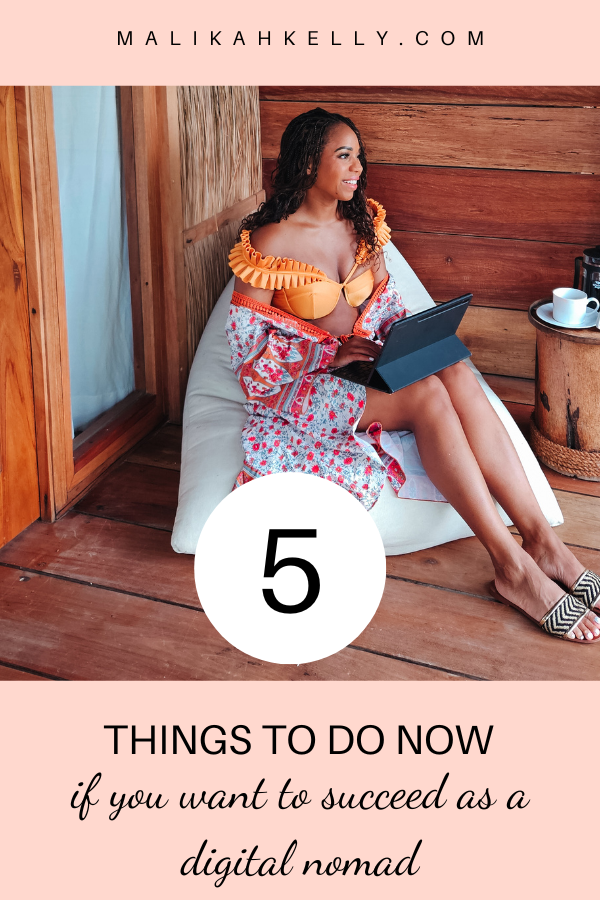
Step 1: Make Sure Your Income Is Location-Independent
Before booking a one-way ticket, secure consistent remote income. In 2026, the most common digital nomad careers include:
Freelance writing, marketing, and design
UGC content creation and influencer work
Remote tech roles (engineering, UX, product)
Consulting and coaching
Virtual assistance and operations management
E-commerce and digital products
Ideally, you’ll want 3–6 months of living expenses saved before moving abroad. Income requirements for most digital nomad visas range from $1,500–$4,000 per month, so stable proof of earnings is critical.
Step 2: Choose the Right Destination
Some countries make it incredibly easy for remote workers to live legally for extended periods. Here are some of the easiest digital nomad-friendly destinations in 2026:
Portugal
Portugal remains one of the most popular options thanks to its D8 Digital Nomad Visa. With great infrastructure, strong expat communities in Lisbon and Porto, and access to the Schengen Zone, it’s ideal for first-time nomads.
Mexico
Offering geographical proximity and diverse cultural experiences, Mexico has become an increasingly attractive option for expats and nomads, particularly those seeking a more relaxed lifestyle and affordable living. It’s also close enough to the U.S, so easy to go back and forth to visit family or have them come out to see you.
Colombia
Known for its vibrant culture, stunning landscapes, and relatively affordable cost of living, Colombia has been gaining traction as a destination for expats and digital nomads seeking a dynamic and welcoming environment. A lower cost of living than the U.S., with opportunities in tourism, agriculture, and emerging tech sectors. Cities like Medellín and Bogotá are becoming hubs for digital nomads.
Honduras
Honduras, especially the stunning island of Roatan, is an emerging destination for digital nomads seeking a blend of Caribbean island life and remote work functionality. The country is slowly investing in more of the infrastructure and lifestyle elements to attract more remote workers, making it a top choice for digital nomads that prioritize a slower pace of life and being surrounded by natural beauty.
Step 3: Choose Smarter Housing (Not Just Cheap Housing)
Housing will be your largest monthly expense — and your biggest quality-of-life factor.
Many first-time digital nomads default to Airbnb because it’s familiar. But for longer stays (30+ days), platforms like Blueground are often a better fit.
Blueground specializes in fully furnished, move-in-ready apartments designed specifically for extended stays. Instead of negotiating with individual hosts, you book a professionally managed apartment with flexible lease terms — often starting at 30 days. Utilities, WiFi, furniture, kitchen essentials, and linens are included. For remote workers, that means no setting up internet accounts, no buying dishes, and no surprises at move-in. You simply arrive and start working.
Compared to Airbnb, Blueground offers more consistency and stability. Airbnb listings can vary widely in quality, cleanliness, and host responsiveness. Blueground apartments are standardized, professionally maintained, and typically located in central, desirable neighborhoods. They also offer digital tools for lease management and support requests, which makes it easier to handle maintenance issues without language barriers or awkward messaging. For digital nomads staying multiple months in cities like New York, Lisbon, or Dubai, the reliability and predictability often outweigh the slightly higher upfront cost.
If you want to book a Blueground for your next nomad or travel experience, use my discount code bgwhereismalikah to get $15 off your less than 1 month bookings, $75 off your less than 6 month bookings and $100 off your 6 month or longer bookings!
Step 4: Build Community (or You’ll Burn Out)
The freedom of being a digital nomad can quickly turn into isolation if you’re not intentional. In 2026, there are more nomad communities than ever:
Coworking spaces
WhatsApp and Slack expat groups
Meetup events
Facebook nomad groups
Coliving spaces
Even scheduling one social activity per week can dramatically improve your experience abroad.
Step 5: Create a Sustainable Travel Rhythm
Not every nomad moves every month. In fact, slower travel is becoming the norm in 2026. Staying 2–3 months in one city allows you to:
Qualify for better housing rates
Establish routine
Avoid burnout
Get to really know a city
Build deeper connections
Fast travel looks exciting online, but slow travel is what makes the lifestyle sustainable.
Final Thoughts: Is Digital Nomad Life Worth It in 2026?
Yes — if you plan it strategically.
Being a digital nomad today isn’t about running away from structure. It’s about creating your own structure across borders. The most successful nomads treat it like a business decision: they choose visa-friendly countries, secure stable housing, maintain savings, and build community intentionally.
If you focus on legal residency, consistent income, smart housing (like Blueground-style furnished apartments for longer stays), and realistic budgeting, you can build a life that combines career growth with global freedom.
The dream isn’t just traveling.
It’s designing a life that works anywhere.
Are you ready to get started as a digital nomad this year?
Shop My Digital Nomad Home Office Essentials
Home Audio Setup - I can’t work in silence, so am turning to these premium speakers and amplifier for my dream distraction!
Countertop Dishwasher - trust me, if your place doesn’t have a dishwasher, you will need this to keep yourself sane if you’re prepping 2-3 meals per day!