
The Rise of Wellness Retreats in 2026: Why They’re Trending, How to Choose One, and the Benefits of Mindful Travel
Wellness travel has evolved beyond a spa day or a weekend yoga class; in 2026, wellness retreats are emerging as one of the most sought-after travel experiences worldwide. From immersive digital detox programs in the mountains to beachside breathwork and movement retreats, travelers are prioritizing experiences that nourish, not just entertain. Whether you’re seeking stress relief, deeper connection, or a reset from daily life, wellness retreats offer intentional, guided experiences that tap into both physical and emotional well-being.
In this post, we’ll explore why wellness retreats are trending in 2026, how to choose the right one for your needs, and the benefits of this travel style for body, mind, and spirit.
The Rise of Wellness Retreats in 2026
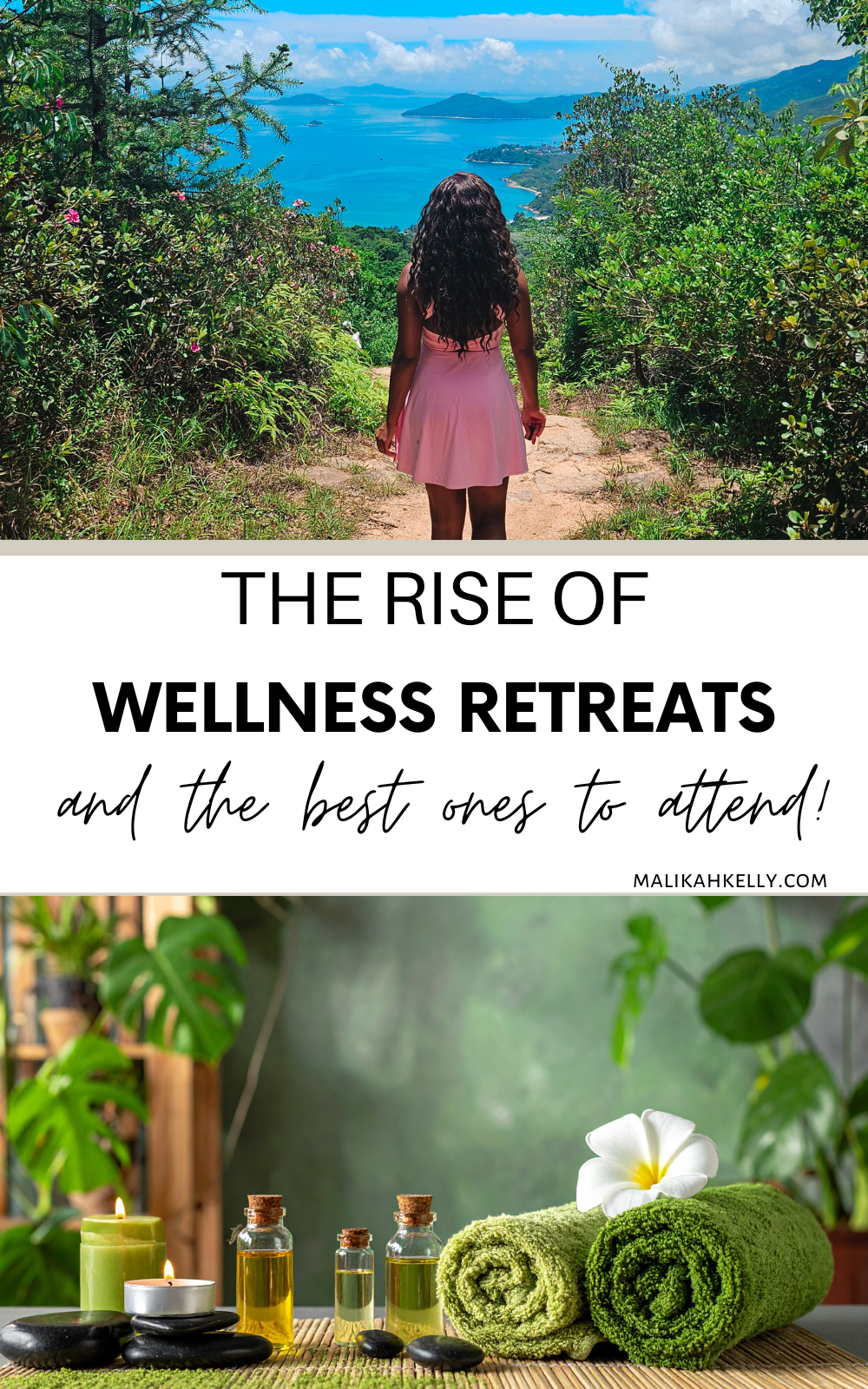
Why Wellness Retreats Are Trending in 2026
Post-Pandemic Priorities Have Shifted
The last few years have reshaped how people think about travel. Instead of ticking destinations off a list, many now seek meaningful experiences. After global uncertainty and burnout, travelers want more than selfies. They want transformation, healing, and connection. Wellness retreats deliver just that: structured environments focused on rest, restoration, and growth.
Rising Awareness of Mental Health
Mental health is no longer a taboo topic, it’s mainstream. Many retreats center around mindfulness, meditation, stress management, and emotional recalibration. Even corporate wellness programs now include retreat experiences, signaling a shift in how society values inner health.
Integration of Science and Tradition
Wellness retreats in 2026 combine ancient healing traditions (like Ayurveda and breathwork) with modern science (nutrition, functional medicine, circadian rhythm insights). This convergence appeals to travelers who want grounded experiences—not just Instagram moments.
Remote Work Enables Longer, Flexible Travel
With hybrid and remote work firmly rooted in some of routines, the lucky remote workers can take longer wellness breaks without sacrificing career momentum. A two-week retreat isn’t seen as “vacation”—it’s investment time.

Benefits of Wellness Retreat Travel
Wellness retreats offer a wide range of benefits that extend far beyond the duration of your trip. Here are a few of the most significant:
Deep Stress Reduction
Retreats provide structured environments designed to reduce stress at the source. Through meditation, breathwork, restorative movement, and nature immersion, participants often experience a profound sense of calm that can last weeks after departure.
Improved Physical Health
Many retreats focus on holistic health practices including:
Nutrient-dense, anti-inflammatory meals
Yoga and functional movement
Sleep support and circadian rhythm optimization
Detox programs
These elements work together to boost energy, support immunity, and improve overall vitality.
Mental and Emotional Clarity
Stepping away from daily noise — social media, work pressures, noisy environments — helps the nervous system recalibrate. Retreats often include journaling, therapeutic workshops, and group dialogue, allowing emotional unpacking and self-understanding.
Community and Shared Experience
Retreats bring together people with shared intentions. This fosters connection and community — a powerful benefit for emotional support and long-term accountability around healthy habits.
Lasting Healthy Habits
A retreat isn’t a quick reset; it’s a launch pad for long-term behavior change. Most retreats provide take-home tools, from breathing practices to mindfulness routines, that help sustain results long after the trip has ended.

How to Choose the Right Wellness Retreat
With the surge in popularity, wellness retreat options can feel overwhelming. Here’s how to choose one that aligns with your goals:
Clarify Your Intent
Ask yourself:
Are you seeking stress relief?
Do you want to improve sleep, weight, or digestion?
Are you interested in mindfulness, movement, or spiritual growth?
Your purpose will guide your choice.
Research the Program Structure
Not all retreats are created equal. Some are rigid with early mornings and strict schedules, while others offer flexibility. Look at:
Daily activities
Class sizes
Accommodation type
Meal plans
Make sure the structure supports your comfort and goals.
Check Qualifications and Experience
Find retreats led by trained professionals — certified yoga instructors, licensed therapists, registered dietitians, or functional medicine experts. Ask about credentials and experience working with your specific needs.
Location and Environment Matter
A jungle retreat feels different from a desert or coastal one. Think about:
Climate preferences
Terrain (for hikes or movement)
Accessibility of airport and travel logistics
The environment should feel restorative, not stressful.
Read Reviews and Testimonials
Past participants can be your best resource. Look for:
Honest reviews
Outcomes shared by alumni
Social proof on community forums and groups
Avoid retreats with limited or suspiciously uniform feedback.
Budget for Experience + Extras
Wellness retreats vary widely in price. Consider what’s included:
Accommodation
Meals
Workshops
Spa sessions
Airport transfers
Sometimes a higher upfront cost translates into more value and fewer out-of-pocket expenses while you’re there.
If you’re ready to book your dream wellness retreat in 2026, here are a few that I’ve been researching for myself!
Best Wellness Retreats for Women in 2026

This Way Movement
This Way Movement specializes in Pilates retreats in Costa Rica, with their first European retreat happening this summer in Ibiza.
Goddess Retreats
Goddess Retreats are female only retreats, with a focus on active wellness. Their Bali retreats have something for everyone: from the Fitness Goddess Retreat that includes daily sculpt and strengthen sessions including HIIT, Hyrox, and Tabata; to the Healing Retreats that offer daily meditation rituals and rejuvenating spa treatments
Vajra Sol
Vajra Sol sets out to facilitate a rejuvenating and transformative experience for each guest through their international yoga retreats. With experiences in Costa Rica, Patagonia, Austria, Croatia, Colorado, and Mexico, there is a destination for every travel style and time of year.
Reformer Retreats
Pilates Reformer Retreats is all classical style reformer Pilates designed to hone in on the mental and physical benefits. Locations vary from dreamy Northern Spain to the romantic Cotswalds. Daily itineraries include everything from reformer, wunda chair and barrel Pilates sessions. If this sounds like your vibe, be sure to book early – most of their 2026 retreats are already sold out!
Zulal Wellness Resort
This luxury resort is located where the desert meets the sea on the northernmost tip of Qatar, and combines traditional Arabic and Islamic medicine and holistic wellbeing in luxurious surroundings. Their unique experiences combine spa treatments, meditation, and physiotherapy, and you can choose from customized packages that focus on everything from burnout recovery to body transformation.
Santee Redwood
Santee Redwood organizes wellness focused retreats for Black and Brown women, encouraging them to prioritize rest without guilt. Their next retreat is a glamping style experience in Everett, PA in March, and the pricing is far more affordable than most wellness retreats, I’ve seen. So if you’ve wanted to try one, but can’t swing the higher cost of many of these experiences, this could be your chance!
Rutzu Mallorca
Rutzu is a dreamy finca set on the island of Mallorca with a series of Pilates and Yoga retreats with different host instructors. Their retreats offer the chance to recharge, challenge yourself, and create memories and connections.
Wellness retreats in 2026 are more than a trend — they’re a response to how we want to live and travel. As boundaries between work, life, and travel blur, people are investing in experiences that enrich, heal, and transform. A retreat isn’t just a break from your routine—it’s a practice that supports your long-term well-being.
If you’re thinking about your next getaway, consider a retreat that aligns with your health goals and personal rhythm. It might be the most meaningful trip you ever take.

Navigating the Path to Wellness: Your Guide to Fibroid Surgery
Hello lovelies! It’s been awhile since I’ve updated you all on this blog, and for good reason. Since my last post I have moved out of Lebanon, am getting ready to move to Hong Kong, and have been catching up with friends and family in between New York and Los Angeles. And in the midst of all of that, I made the decision to finally have a myomectomy so I can start living fibroid free.
I first got diagnosed with uterine fibroids about 6 years ago, and even though they grew over time, they pretty much remained asymptomatic. But one can’t live with fibroids forever, and since my husband and I are the point of discussing expanding our family, it was important to get them out so I can have a clean slate! I’m now a few weeks post-op and am comfortably recovering enough to share more about my experience with uterine fibroids, my treatment, and recovery.
Uterine fibroids are incredibly common in the United States, and Black women are at a much higher risk of developing fibroids. Estimates suggest that up to 80% of Black women may experience fibroids. In this post, I hope to shed light on the ins and outs of uterine fibroids, the various treatment options available, as well as what to expect before and after a myomectomy
Navigating the Path to Wellness: Your Guide to Fibroid Surgery

Understanding Uterine Fibroids: What You Need to Know About Fibroids
Uterine fibroids, also known as leiomyomas, are non-cancerous growths that develop within or on the uterus. These benign masses can vary in size, number, and location, often leading to symptoms like heavy menstrual bleeding, pelvic pressure, and even discomfort during intimacy. While these fibroids are common, each woman's experience is unique. Some have numerous small fibroids, while others can experience fibroids that grow to grapefruit or even watermelon size! The good news? There are effective treatment options available to help you regain control of your life!
Exploring Treatment Options for Fibroids
When it comes to treating uterine fibroids, there's no one-size-fits-all solution. The treatment you choose depends on factors such as the severity of your symptoms, your age, and your desire for future fertility. Here's a glimpse at some options:
Watchful Waiting: If your fibroids aren't causing major disruptions, your doctor might recommend monitoring them through regular check-ups. This approach can be especially suitable for those nearing menopause or for those that are years away from thinking about having a baby. In my case, my doctors recommended waiting to take any action until closer to the time I wanted to get pregnant, because fibroids tend to reoccur and having them removed too soon would put me at risk for having to repeat the surgery down the road.
Medications: Hormonal therapies and pain relievers can help manage symptoms such as heavy bleeding and pelvic pain. These can provide temporary relief but may not eliminate fibroids entirely.
Minimally Invasive Procedures: Techniques like uterine artery embolization and focused ultrasound surgery (FUS) aim to shrink or eliminate fibroids with minimal impact on your body.
Surgical Removal: A myomectomy or laparoscopy are two surgical options for removing fibroids while preserving the uterus. They can be an ideal choice for women wanting to maintain fertility. Depending on the number of fibroids, size and location, your surgeon will make a recommendation. Myomectomy can either be an open abdominal one, or a hysteroscopic myomectomy. With this procedure, fibroids are removed using an instrument called a hysteroscopic resectoscope, which is passed up into the uterine cavity through the vagina and cervical canal – no incision required!
Hysterectomy: In cases where fibroids cause severe symptoms and fertility isn't a concern, a hysterectomy – the removal of the uterus – might be recommended.
Because of the size and placement of my fibroids, I had to have an open abdominal myomectomy.

How to Prepare for a Myomectomy
If you’re in the same boat I was and have to have an open abdominal myomectomy, here's what you can do to ensure a smooth pre-surgery experience:
Consultation: Schedule an in-depth consultation with your healthcare provider. Discuss your medical history, current symptoms, and any concerns you might have.
Preoperative Tests: Your doctor may order tests like blood work, ultrasound, and possibly an MRI to accurately assess the location, size, and number of fibroids. Mine didn’t do any additional imaging because I was on a tight schedule, and she also said it’s very common to find more in surgery than the ultrasound will even show. More about that later!
Nutrition and Hydration: Nourish your body with a balanced diet and ample hydration in the weeks leading up to surgery. This will help strengthen your immune system and optimize your healing process.
Physical and Emotional Well-being: Engage in activities that bring you joy, reduce stress, and boost your emotional well-being. Engaging in light exercise and mindfulness practices can work wonders.
What to Expect During Your Myomectomy
I had my pre-op appointment a week before my surgery, where my doctor explained all the pre- op instructions. Most important was to follow the rules for when to stop eating and how to fully cleanse the bowels to avoid any complications.
The morning of my surgery we arrived 2 hours before the scheduled time, checked in with admissions, did more blood and urine testing, then got changed into a surgical gown and waited to meet the team. The anesthesiologist came to talk and we went over the anesthesia we would use and what to expect, which helped a lot because I was SO NERVOUS about waking up in the middle of surgery. I also met the nurses that would be working with me. At this point I started getting really anxious, so the anesthesiologist asked if I wanted something to help me relax. Whatever he put in that IV did the trick, because I calmed down instantly and barely even remember being wheeled into the OR after saying goodbye to my husband! But I woke up a few hours later and asked for him, then the nurses got him and bought him in!
The procedure took a little over 2 hours, and they ended up finding 25 fibroids, not the 3 or 4 that showed on my previous ultrasounds!
Tips for Recovering from a Myomectomy
Here's a glimpse into what you can anticipate during your recovery:
Hospital Stay: Depending on the type of myomectomy and your unique circumstances, you might stay in the hospital for a day or two. During this time, your medical team will closely monitor your progress. I ended up staying 2 days because I was so weak after surgery I could barely walk, and I ended up needing a blood transfusion.
Postoperative Care: Your doctor will provide specific instructions for caring for your incisions, managing pain, and resuming regular activities. Follow these guidelines diligently to ensure optimal healing.
Rest and Patience: Your body has just undergone a significant change, so be sure to prioritize rest and give yourself the time you need to heal. This was easy the first few days, especially when I was on the stronger pain meds because they kept me pretty sleepy most of the day.
Nutrition and Hydration: Continue to nourish your body with nutrient-rich foods and plenty of fluids. A well-balanced diet supports healing from the inside out.
Follow-up Appointments: Attend all scheduled follow-up appointments with your healthcare provider. These visits are crucial for tracking your progress and addressing any concerns that may arise.
Boredom: I’m not someone that is used to sitting around at home all day, so once the initial pain started to wear off and I was physically able to get up and out of bed more, the boredom really started to settle in. There is only so much Netflix I can watch before going stir crazy! I’m still trying to think of things I can do that are entertaining but not physically strenuous, so keep up with me on Instagram and Tiktok to see how that plays out.

And there you have it, a comprehensive guide to navigating the world of fibroid surgery! Remember, your well-being is your top priority. Whether you're considering a myomectomy, exploring alternative treatments, or simply seeking information, know that you're not alone on this journey. Stay informed, embrace self-care, and always consult your healthcare provider to make the best choices for your unique situation. Here's to a future filled with wellness and empowerment!
Here are links to some products I found incredibly helpful for my prep and recovery!


