
Martha’s Vineyard Travel Tips: History, Culture, Events, and How to Save On Your Trip
Martha’s Vineyard has long been more than a picturesque New England summer destination. For generations of Black travelers, the island—especially Oak Bluffs—has represented something deeper: a place to gather, relax, build community, and enjoy the freedom of being by the sea. Today, visitors can experience that legacy alongside beautiful beaches, historic towns, excellent food, art, and a lively calendar of cultural events.
I just came back from my second trip to Martha’s Vineyard and it was just as beautiful and restorative now as it was 10 years ago. If you’re planning your first trip to Martha’s Vineyard, here’s how to make the most of it while connecting with the island’s rich Black history—and keeping your budget under control.

A Brief History of Martha’s Vineyard
Martha’s Vineyard’s history begins long before it became a summer retreat. The Wampanoag people have lived on the island for thousands of years, and archaeological evidence points to human habitation dating back thousands of years.
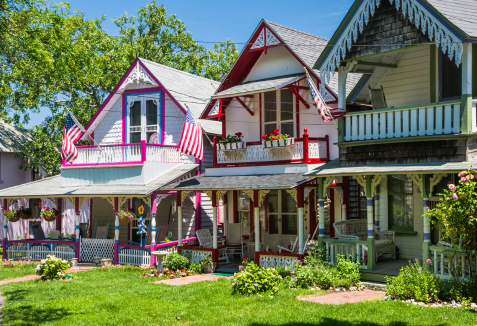
European settlement brought farming, fishing, maritime commerce, and eventually whaling. In the 19th century, religious camp meetings helped transform Oak Bluffs into a summer destination. What began as Methodist gatherings evolved into a community of colorful cottages and eventually a major resort town.
Black history is woven into that development. African Americans found opportunities on the island as mariners, business owners, homeowners, and community leaders. Over generations, Black visitors returned not only for the beaches but also because the Vineyard offered opportunities for community, property ownership, and social connection that were harder to find elsewhere.
That legacy remains visible today. The African American Heritage Trail is an excellent way to explore the people and places that helped shape the island.
Today, it’s one of the most popular New England summer escapes and is the perfect place for a charming, laid-back luxe getaway.
Where to Stay on Martha’s Vineyard
Where you stay can shape your entire Martha’s Vineyard experience. The island has six distinct towns, each with its own personality, so choose your home base based on the type of vacation you want.
Oak Bluffs is an especially appealing choice for Black travelers. It has a vibrant social scene, easy access to Inkwell Beach, restaurants, shops, nightlife, and the historic gingerbread cottages. It is also closely connected to the island's Black history and cultural traditions. If you're visiting for events such as Juneteenth or the Martha's Vineyard African American Film Festival, staying in or near Oak Bluffs can put you close to the action.
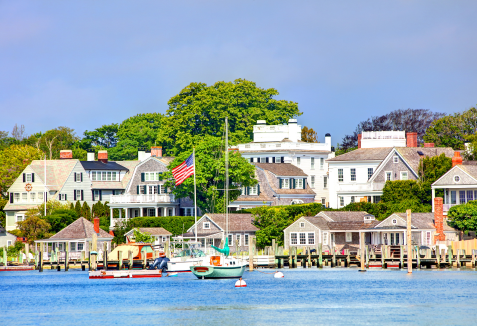
Edgartown is a good choice if you're looking for a more upscale, polished atmosphere. Its historic streets, waterfront restaurants, boutiques, and beautiful architecture make it popular with couples and travelers celebrating special occasions. It tends to be pricier, particularly during peak summer weekends.
Vineyard Haven offers a convenient combination of restaurants, shops, beaches, and transportation connections. It's a practical option for travelers who want a central base and may be visiting without a car.
West Tisbury and Chilmark are better suited to travelers seeking a quieter, more rural experience. You'll find farms, scenic roads, nature, and a slower pace, but having access to a car can be more useful in these areas.
For a first visit, Oak Bluffs or Vineyard Haven can be particularly convenient. They offer good access to public transportation and make it easier to explore the island without spending a fortune on taxis.
How to Get to Martha’s Vineyard
For most visitors, getting to Martha’s Vineyard means traveling through Cape Cod and taking a ferry or flying to the island. The Steamship Authority operates ferry service between Woods Hole and Vineyard Haven, and seasonal service to Oak Bluffs. Hyline Cruises offers ferries between Hyannis and Oak Bluffs.
Passenger ferries are generally the most affordable option, while bringing a car requires an advance reservation and costs considerably more.
If you're flying, Martha’s Vineyard Airport receives commercial flights from several mainland cities, with additional seasonal service during the summer. If you're trying to save money, compare ferry and flight prices before booking your accommodation and consider leaving your car on the mainland.
The Best Time to Visit Martha’s Vineyard
The Vineyard is firmly a summer destination! Don’t even think about coming in off-season, as most restaurants, shops, and services are closed. The ideal timing to visit is June- September, and the exact month depends on the kind of trip you want.
June is an excellent choice for travelers interested in Black culture and community events. Juneteenth programming on the island includes celebrations, talks, performances, heritage events, and gatherings throughout Oak Bluffs and beyond.
July and August deliver the classic Martha’s Vineyard experience: warm weather, beach days, outdoor concerts, nightlife, and the island’s busiest social calendar. This is also when Oak Bluffs is at its most energetic and the Black population on the island swells to the highest level. However, summer is peak season, so accommodations, transportation, and dining can be significantly more expensive.
September can be a sweet spot. The weather is often pleasant, crowds begin to thin, and you can still enjoy the beaches and restaurants. You’ll miss a lot of the action and the busy social calendar, but part of the point of visiting this island is to make time for rest and relaxation anyway.
How to Save Money on Your Trip to Martha’s Vineyard
Martha’s Vineyard can be expensive, but you don't need a luxury budget to enjoy it.
First, think carefully about bringing a car. Rentals are expensive and if you plan to take the ferry, the cost of a reservation with a car is significantly higher.
If you're staying near Oak Bluffs or another walkable area, consider leaving your car on the mainland and using buses, bikes, taxis, or walking once you arrive.
Second, travel midweek. Summer weekends are among the most expensive and crowded times to visit. A Sunday-through-Thursday trip can make a noticeable difference in lodging and transportation costs.
Third, share a rental home. If you're traveling with friends or family, splitting a vacation home can be more economical than booking several hotel rooms. A kitchen also lets you prepare breakfast, snacks, or some dinners instead of eating every meal out.
Fourth, embrace free attractions. Beaches, porch-sitting, neighborhood walks, the African American Heritage Trail, scenic overlooks, parks, and exploring the gingerbread cottages can fill an itinerary without constant admission fees. The island's official tourism guide also recommends activities ranging from beaches and biking to heritage sites and farmers markets.
Martha’s Vineyard is beautiful, but its greatest appeal for Black travelers is the combination of scenery and history. Oak Bluffs offers a chance to walk through neighborhoods shaped by generations of Black families, relax at the Inkwell, explore the African American Heritage Trail, and participate in cultural events that continue that legacy.
Most importantly, don't treat Martha’s Vineyard as just another beach vacation. Take time to learn whose stories shaped the island. Once you do, the colorful cottages, waterfront views, historic churches, and summer gatherings take on an entirely different meaning.


Escape the Ordinary: Why More Black Americans Are Moving Abroad (and the Top 8 Destinations They're Choosing)
There is a huge trend of of Black Americans choosing to leave the US and build new lives overseas? Google searches, social media groups, and even reality TV shows like Coming from America have shown the rise in popularity on leaving the US and moving abroad, and what its like living in a new country as a Black American. If you have you ever found yourself wondering if a different chapter and a new landscape, might offer a greater sense of peace, opportunity, or belonging, you're not alone.
The idea of packing up and moving to a foreign country might seem daunting, but for an increasing number of Black Americans, it's becoming a compelling reality. The reasons for this growing interest in relocating are diverse and deeply personal, ranging from seeking more affordable living and better career prospects to desiring a greater sense of community and freedom from the racial challenges that can permeate life in the United States. This blog post will delve into top countries that have emerged as particularly welcoming and appealing destinations for Black Americans seeking a fresh start.
For many Black Americans, the decision to consider moving abroad isn't taken lightly. It often stems from a desire to navigate and potentially escape the persistent realities of systemic racism and social inequality that can impact various aspects of life in the U.S. From microaggressions and overt discrimination to disparities in housing, employment, and the justice system, these challenges can create a sense of frustration, exhaustion, and a yearning for a different lived experience. The emotional toll of constantly navigating these societal structures can be significant, leading individuals and families to explore environments where they might feel more seen, valued, and safe. The desire for a society that offers a greater sense of belonging and where their race is not a constant barrier can be a powerful motivator for seeking opportunities abroad.
So, where are Black Americans finding these more welcoming shores? Based on anecdotal evidence, community reports, and growing online discussions, here are eight countries that consistently appear as top choices, along with some of the key factors contributing to their appeal:

Top 8 countries for Black Americans to Move Abroad

1. Ghana
Often cited as a spiritual and ancestral homecoming, Ghana holds deep historical significance for the African diaspora. The "Year of Return" in 2019 and subsequent "Beyond the Return" initiative have actively encouraged people of African descent to visit, invest, and even relocate to Ghana.
Cultural Factors: A rich and vibrant African culture, a strong sense of community, and a growing recognition of the contributions of the diaspora. The welcoming nature of Ghanaians and the shared heritage can create a powerful sense of belonging.
Economic Factors: While still developing, Ghana offers a lower cost of living compared to many Western countries and increasing opportunities in sectors like tourism, technology, and agriculture.
Social Factors: A predominantly Black population can offer a respite from the racial dynamics experienced in the U.S. While not without its own challenges, many Black expats report feeling a greater sense of ease and acceptance.
2. Mexico

Offering geographical proximity and diverse cultural experiences, Mexico has become an increasingly attractive option for Black Americans, particularly those seeking a more relaxed lifestyle and affordable living.
Cultural Factors: A vibrant and welcoming culture with a rich history. While racial dynamics exist, many Black expats find communities where they are embraced for who they are. Coastal towns and larger cities often have established expat communities.
Economic Factors: A significantly lower cost of living, particularly outside of major tourist hubs. Opportunities exist in tourism, teaching English, and remote work.
Social Factors: While experiences can vary by region, many Black expats report finding friendly and accepting communities. The diversity within Mexico also means that experiences with race can differ significantly from those in the U.S. It’s also close enough to the U.S, so easy to go back and forth to visit family or have them come out to see you.

3. Portugal
With its stunning scenery, rich history, and relatively affordable cost of living compared to other Western European nations, Portugal has gained popularity among Black Americans seeking a European lifestyle.
Cultural Factors: A generally welcoming culture with a growing awareness of diversity. While not a majority-Black country, Portugal has a history of African influence and a more nuanced approach to race for some expats.
Economic Factors: A lower cost of living than many other Western European countries, and a growing economy with opportunities in tourism, technology, and renewable energy. The Digital Nomad Visa has also made it an attractive option for remote workers.
Social Factors: Many Black expats report positive experiences with locals and a feeling of safety. The slower pace of life and beautiful environment contribute to a higher quality of life for many.

4. Canada
Sharing a border with the U.S. and boasting multicultural cities and a reputation for inclusivity, Canada is a natural choice for some Black Americans seeking a different social and political climate.
Cultural Factors: Officially a multicultural society with diverse communities. Major cities like Toronto, Montreal, and Vancouver have significant Black populations and vibrant cultural scenes.
Economic Factors: A stable economy with opportunities in various sectors. While the cost of living in major cities can be high, it can be more affordable in other regions.
Social Factors: While racism exists in Canada, many Black Americans report a different social dynamic than in the U.S., often citing a greater emphasis on multiculturalism and inclusivity in public discourse and policy.

5. Colombia
Known for its vibrant culture, stunning landscapes, and relatively affordable cost of living, Colombia has been gaining traction as a destination for Black Americans seeking a dynamic and welcoming environment.
Cultural Factors: A rich and diverse culture with significant Afro-Colombian communities, particularly along the coasts. This can create a sense of familiarity and connection for Black expats. The warmth and friendliness of Colombians are often highlighted.
Economic Factors: A lower cost of living than the U.S., with opportunities in tourism, agriculture, and emerging tech sectors. Cities like Medellín and Bogotá are becoming hubs for digital nomads.
Social Factors: While racial dynamics exist, the presence of significant Afro-Colombian populations can lead to a different experience with race for some Black expats, fostering a sense of shared identity and community.

6. Rwanda
This East African nation has made remarkable progress in its development and is increasingly seen as a safe and forward-thinking country with a growing economy.
Cultural Factors: A rich and unified Rwandan culture with a strong sense of national pride. While the history is complex, the focus on progress and unity can be appealing.
Economic Factors: A rapidly growing economy with increasing opportunities in technology, tourism, and agriculture. The government's focus on development and innovation is attracting international attention.
Social Factors: While predominantly Black, the social dynamics are distinct from the U.S. Many expats report feeling safe and welcomed, appreciating the focus on community and national development.

7. Panama
With its strategic location, stable economy, and relatively easy visa processes, Panama offers a blend of modern amenities and tropical living that appeals to many seeking a change.
Cultural Factors: A diverse culture with influences from Latin America, the Caribbean, and North America. There are established Afro-Panamanian communities, particularly in areas like Bocas del Toro.
Economic Factors: A dollarized economy, making financial transactions straightforward. Opportunities exist in tourism, finance, and logistics due to the Panama Canal. The cost of living can vary depending on location.
Social Factors: The presence of diverse communities can create a welcoming environment for Black expats. The relaxed pace of life and beautiful natural surroundings are also significant draws.

8. Senegal
Located in West Africa, Senegal offers a rich cultural heritage, stunning landscapes, and a strong sense of community. It can be an appealing destination for those seeking a deeper connection to the African continent.
Cultural Factors: A vibrant culture with a strong emphasis on hospitality ("teranga"). The rich history, music, and art are significant attractions. French is the official language, but English is increasingly spoken in tourist areas.
Economic Factors: A developing economy with opportunities in fishing, agriculture, and tourism. The cost of living is generally lower than in many Western countries.
Social Factors: As a predominantly Black nation, Senegal offers a different social dynamic. The strong sense of community and the welcoming nature of Senegalese people are often highlighted by expats. Just be sure to learn French, because you will need it!
Moving abroad is a significant decision, but for a growing number of Black Americans, the potential benefits – including a greater sense of belonging, new opportunities, and diverse cultural experiences – are proving to be powerful motivators. While each of the countries highlighted presents its own unique set of circumstances and it's crucial to conduct thorough research, they offer compelling reasons why they are becoming increasingly popular choices for those seeking a new chapter overseas.
Have you ever considered packing your bags and exploring life in another country? What are your thoughts or concerns about moving abroad as a Black American? Which of these destinations sparks your interest the most? Share your experiences and questions in the comments below! 👇
Top 8 countries for Black Americans to Move Abroad
Ghana
Mexico
Portugal
Canada
Colombia
Rwanda
Panama
Senegal
Read more content on travel and moving abroad!
6 Ways I Will Never Be the Same After Moving Internationally
11 Things to Do Before You Move Abroad
6 Essential Safety Tips to You Need Before Your Next Trip


Is Japan Racist? What Black Travelers Need to Know Before Booking Their Trip To Japan
I just came back from a trip to Japan that I had been wanting to take forever! Japan is one of the most popular bucket list destinations in the world, with the tourism numbers to prove it! While Japan is known for its rich culture, delicious cuisine, and breathtaking landscapes, it's essential to address the question: Is Japan racist?
Recent news about the treatment of Black travelers and expats in Japan has been in the headlines, and has probably caused a lot of us to wonder what the experience would be like for Black travelers in Japan, and what we should know before booking a trip there?
If you are you a Black traveler considering Japan as your next destination, these questions are 100% natural. Japan is a small country with a largely homogenous population. It’s immigration policy has only started changing recently, allowing more foreigners to have permanent residency, largely to support the economy considering the dramatic birth rate decline and aging population.
In this guide, I'll share insights and tips to help Black travelers navigate Japan with confidence and enjoy all that this incredible country has to offer. Spoiler alert - in my opinion it wasn’t bad and I felt comfortable enough to already book a trip back for this Summer!

Understanding Cultural Context:
Japan's history and cultural context play a significant role in shaping attitudes towards race and diversity. Historically, Japan has had limited exposure to racial diversity compared to countries with more multicultural societies. As a result, some Japanese people may hold stereotypes or misconceptions about Black individuals based on media portrayals or limited interactions.
But not every interaction will come with negative energy. You might encounter stares or curiosity, simply because you stand out. Don’t take it personally!
However, it's crucial to recognize that attitudes towards race vary among individuals, and not everyone in Japan harbors discriminatory beliefs. Many Japanese people are open-minded, welcoming, and eager to learn about different cultures, including those of Black travelers.
Navigating Potential Challenges:
While Japan is generally a safe destination for travelers, Black visitors may encounter subtle instances of racism or ignorance during their stay. These experiences can range from curious stares or misinformed assumptions to more overt forms of discrimination.
It's essential to approach these situations with patience, understanding, and cultural sensitivity. Remember that ignorance does not always stem from malice, and many Japanese people may simply lack exposure to diverse perspectives.
Is Japan Racist? What Black Travelers Need to Know Before Booking Their Trip To Japan
Tips for Black Travelers:
Embrace Cultural Exchange: Use your visit to Japan as an opportunity to engage with locals and share your culture. Be open to answering questions about your background and customs, and take the initiative to learn about Japanese traditions in return.
Dress Respectfully: Japanese society values modesty and cleanliness, so dress modestly and avoid clothing with offensive slogans or imagery. Adhering to local customs shows respect for Japanese culture and helps foster positive interactions. You will also notice some areas are incredibly quiet, especially on public transportation. Keep that in mind and adjust your conversation levels accordingly, and always use headphones if scrolling through social media videos.
Educate Yourself: Familiarize yourself with Japanese customs, etiquette, and social norms before your trip. Understanding cultural nuances can help you navigate interactions more smoothly and avoid unintentional misunderstandings.
Stay Informed: Research Black-owned businesses, communities, and cultural events in Japan to connect with like-minded individuals and support local initiatives. Platforms like social media and travel forums can be valuable resources for finding recommendations and insights from fellow travelers.
Focus on Positive Experiences: While it's essential to acknowledge potential challenges, don't let concerns about racism overshadow your enjoyment of Japan. Focus on the incredible sights, flavors, and experiences that make Japan a unique and unforgettable destination.
Be Mindful of the Language Barrier: While English proficiency is increasing, it is generally not as fluently spoken as you might think. Communication can definitely be a hurdle. Download translation apps, learn a few basic Japanese phrases. You might think someone is being standoffish because they are racist, but they might just be struggling to remember English or be embarrassed about talking to a native speaker.

Japan is a land of incredible beauty, rich history, and unique culture. While there might be some cultural adjustments for Black travelers, the rewards far outweigh the challenges. By being prepared and embracing the experience, you're sure to have an unforgettable adventure in the Land of the Rising Sun.